You really only need three things to get pregnant the old-fashioned way. An egg. Sperm. And sex. On paper, it sounds simple enough. But while baby-making seems straightforward, the reality of getting pregnant can be a bit tricky. You need regular sex. That sex needs to be well timed. If you want the best chances, ramp up the romance a few days before ovulation.
Sometimes, though, it is more than just bad timing. More than 6 million American women are considered infertile. That means they have had unprotected sex regularly for six months to a year (depending on age) and haven’t become pregnant. Or they haven’t been able to carry a pregnancy to term.
See, in addition to well-timed sex, your body needs its internal processes well timed. For many women, that timing is off. One of the most common reasons why this well-coordinated arrangement gets thrown out of balance? Hormones.
Hormones run the ovulation process. It works like a relay race. At the beginning of a woman’s menstrual cycle, the brain signals the pituitary gland. It is time to prep some eggs. The pituitary gland produces follicle-stimulating hormone (FSH). This signals the ovaries to begin maturing eggs for the cycle.
As these follicles mature, estrogen levels rise. This signals the pituitary gland that an egg is ready. This first half of the menstrual cycle is called the follicular phase.
When high estrogen levels signal an egg is ready, the pituitary gland produces luteinizing hormone (LH). This triggers the ovary to release the mature egg. Ovulation usually occurs about 24 to 48 hours after this LH surge. The day ovulation happens is the first day of the second half of the cycle. The luteal phase.
During the luteal phase, the ovaries do the heavy lifting. Specifically the corpus luteum, which is the follicle that produced the mature egg. It begins to increase progesterone levels. Progesterone prepares the lining of the uterus for pregnancy. If the egg is fertilized and implants, the body continues to produce progesterone. If not, progesterone levels fall. That month’s menstrual period begins.
If the timing is off in any part of the process, ovulation may be disrupted. This causes fertility problems. Let’s look into how these hormones can negatively impact fertility. Also, some ways to tell if your own hormones are out of line.
How Hormones Dictate Conception Windows
Understanding how hormonal imbalance affects fertility requires looking at the specific roles each hormone plays. It is not just about having an egg. It is about that egg arriving at the right place at the right time.
When FSH levels are too low, the ovaries may not mature an egg properly. No mature egg means no ovulation. This is often seen in conditions like polycystic ovary syndrome (PCOS). When LH surges are absent or weak, the egg never releases. You might have a follicular phase that drags on without any ovulation.
Progesterone is the silent partner in this dance. It prepares the uterine lining for implantation. If progesterone is low, even if fertilization occurs, the embryo may not implant. This is a common reason for early miscarriage. It is also linked to luteal phase defects. These occur when the second half of the cycle is too short for implantation to succeed.
Signs Your Hormones May Be Out of Balance
How do you know if your hormones are messing up your conception timeline? You don’t always need a blood test. Your body gives you clues.
- Irregular periods : If your cycle varies by more than a few days each month, ovulation may be irregular. This makes timing sex for conception difficult.
- No period for three months : This is called amenorrhea. It often signals that you are not ovulating at all.
- Heavy or painful periods : This can indicate conditions like endometriosis or fibroids, which can interfere with fertility.
- Unexplained weight gain : This can be a sign of insulin resistance,
Reading the Signs Your Body Sends
Ovulation issues are hiding in plain sight. Roughly one in four women struggling with conception faces this specific hurdle, yet many walk around completely unaware. You don’t need a lab test to spot the early warning signs. Look at your cycle. Is it predictable? When periods go missing, arrive sporadically, or swing wildly between light spotting and heavy flow, your body is flashing a red light. It usually means Follicle-Stimulating Hormone (FSH) and Luteinizing Hormone (LH) levels are off-kilter.
The physical changes can be just as telling. Unexplained weight gain. Hair sprouting on your chin or chest. Thinning hair on your head. Breakouts that won’t quit. These aren’t just vanity issues. They are symptoms of hormonal chaos.
Sometimes, the culprit is external. Stress. Rapid weight loss. A sudden spike in intense exercise. These lifestyle shifts can temporarily hijack ovulation. But other times, the problem is deeper. A system malfunction.
When PCOS Disrupts the Cycle
Polycystic ovarian syndrome (PCOS) is the heavyweight champion of hormonal infertility. It affects up to ten percent of women. It’s an endocrine disorder where the communication line between the brain, the pituitary gland, and the ovaries gets crossed. We still don’t know exactly what starts it.
The result is messy. Irregular or absent ovulation. No periods. High levels of androgens like testosterone and DHEA-S. Abnormal ratios of LH, FSH, and estrogen. Enlarged ovaries dotted with small cysts.
The health implications stretch far beyond conception. PCOS is linked to obesity, insulin resistance, and cardiovascular disease. It increases the risk of endometrial cancer, sleep apnea, and depression. Hair and skin changes become chronic. It is one of the leading causes of infertility in reproductive-age women. And for those who do conceive, the risk of miscarriage jumps by 45 percent or more.
Premature Ovarian Failure Explained
PCOS isn’t the only disruptor. Premature ovarian failure (POF) throws a wrench in the works for women under 40. Don’t confuse it with menopause, even though the symptoms look similar. In POF, the ovaries simply stop working.
The follicles are gone. Or what remains isn’t functioning. The body stays stuck in the follicular phase. The pituitary gland pumps out FSH, trying to mature an egg. The ovaries don’t hear it. They don’t respond.
Estrogen levels stay low. Without a mature follicle, there’s no surge. No preparation for ovulation. The cycle stalls.
The Thyroid Connection
Thyroid disease adds another layer of complexity. These hormones regulate much of the body. Hyperthyroidism means too much activity. Hypothyroidism means too little. Either extreme can throw off your menstrual cycle.
Hypothyroidism, in particular, is tied to luteal phase dysfunction (LPD). Also known as a luteal phase defect. This is a problem with the uterine lining. The endometrium doesn’t thicken properly. Or the ovaries don’t produce enough progesterone after ovulation. Without that progesterone, implantation becomes difficult.
It’s Not Just a Female Issue
Hormonal imbalances aren’t solely a female fertility problem. Male fertility takes a hit when testosterone levels drop. Issues with hormones produced by the pituitary and thyroid glands can also decrease sperm quality.
Navigating Fertility Treatments
When hormones are the barrier, treatment usually involves medication. Clomiphene citrate or letrozole can stimulate ovulation. Gonadotropins inject hormones directly to encourage follicle growth. Insulin-sensitizing drugs may help if PCOS and insulin resistance are linked. For thyroid issues, medication restores balance. In cases of premature ovarian failure, donor eggs may be the only option for pregnancy. The path depends on the specific imbalance.

The diagnostic path to understanding hormonal infertility
Getting pregnant when hormones are out of whack isn’t a dead end. It’s just a hurdle that usually requires a reproductive specialist to help you navigate. Before you can fix the problem, you have to know exactly what it is. Your doctor won’t guess. They’ll run a battery of tests to pinpoint the cause of infertility.
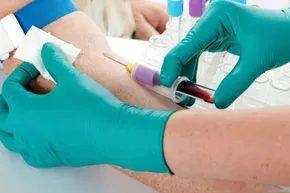
If a hormonal imbalance is on the table, expect blood work that checks thyroid function, estradiol (estrogen), progesterone, and prolactin. They’ll also test your ovarian reserve to see how many eggs you have left. A urine sample will check LH levels. You might also be asked to track your basal body temperature every day. Why? Because your body temperature rises slightly when you ovulate. It’s a simple, low-tech way to confirm if and when you’re releasing an egg.
Medication strategies for ovulation and insulin resistance
Not all treatments aim for pregnancy. Some women take oral contraceptives just to manage the symptoms of hormonal imbalances without getting pregnant. But if you’re trying to conceive, the approach shifts.
For women with ovulation problems, doctors often prescribe fertility-enhancing drugs. Clomiphene citrate (Clomid) is a common go-to. Gonadotropins, like Follistim, are another option. These work by stimulating the pituitary gland to induce ovulation. If high prolactin levels are the culprit, bromocriptine (Parlodel) can help restore your cycle.
Polycystic ovary syndrome (PCOS) adds another layer. Many women with PCOS also struggle with insulin resistance. Insulin-sensitizing medications like glucophage (metformin) can help. They don’t just improve glucose tolerance. They lower androgen levels and help restore ovulation.
Lifestyle changes and assisted reproductive technologies
You don’t always need a pill to balance your hormones. Maintaining a healthy weight makes a difference. For overweight or obese women, losing as little as 10 pounds (4.3 kilograms) can re-establish healthy menstrual cycles. Simple weight loss acts as a powerful hormonal regulator.
But what if drugs and lifestyle changes aren’t enough? Some women need more advanced help. Assisted reproductive technologies (ART) step in here. In vitro fertilization (IVF), sometimes with an egg donor, is a major option. Intracytoplasmic sperm injection (ICSI) is another. Success rates vary. They depend heavily on your age and the specific fertility complications you’re facing.
It’s a lot to process. You’re looking at blood tests, daily temperature checks, prescription drugs, and potentially major procedures. There’s no single right path. Just a series of steps that get more specific as you go. The goal is always the same. Finding the right mix of medical intervention and personal care to get you there.