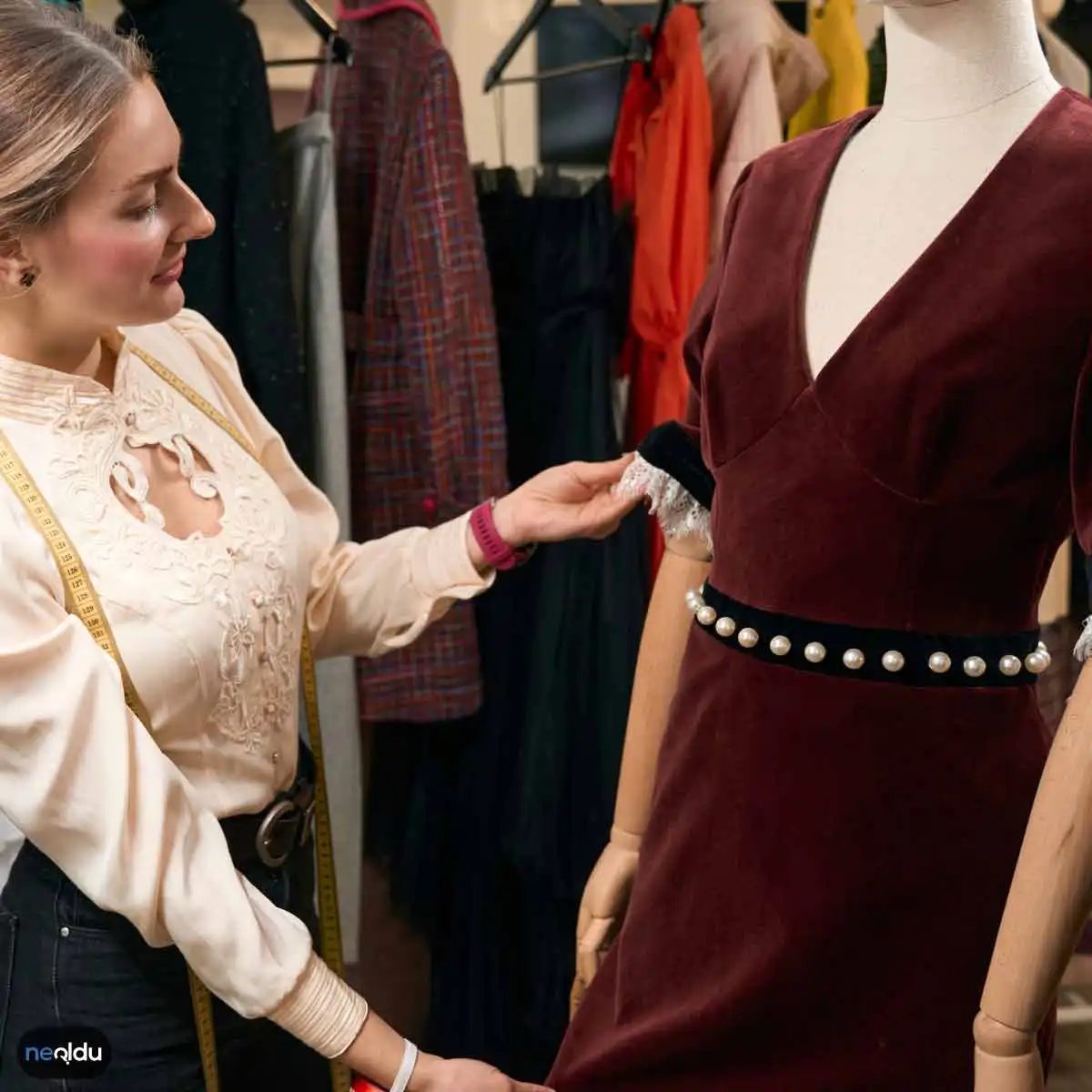
Kadife sadece bir kumaş değil, bir duruş biçimi. Özellikle özel gecelerde, düğünlerde veya kurumsal organizasyonlarda asaletini gizlemeyen kadınlar için vazgeçilmez bir tercih. Mürdüm, bordo ve derin mor tonlarının kendine has derinliği, kadife dokusunun pürüzsüz yüzeyiyle birleşince ortaya çıkan görüntü, basit bir kıyafetten çok daha fazlasını vaat ediyor. Bu sezon özellikle kadife ceket pantolon takımları gardıropların baş tacı oldu. Neden? Çünkü hem rahat hem de son derece etkileyici.
Neden Kadife Tercih Edilmeli?
Kadife, tarihin her döneminde lüxün sembolü olmuş. Ancak günümüzde sadece “pahalı” olmasıyla değil, giyildiğinde kazandırdığı karakterle öne çıkıyor. Yaz aylarında terleten sentetik kumaşların aksine, kaliteli kadife kumaşlar nefes alır. Kışın ise sizi saran, sıcak tutan bir hissiyat verir. İşte kadifeyi diğer kumaşlardan ayıran bazı temel özellikler:
- Işık Yansıması: Kadifenin dokusu, ışığı farklı açılardan yansıtarak kıyafete hareket katar. Bu sayede düz renkler bile derinlik kazanır.
- Dökümlülük: Vücudu saran, ama sıkı duran bir dökümlülük sağlar. Bu da hem zarif hem de modern bir siluet ortaya çıkarır.
- Uyumluluk: Hem gün içi şık ofis kıyafetleri hem de gece partileri için uygun. Tek parça bir takım elbise ile bile profesyonelliğinizi korurken stilinizi öne çıkarabilirsiniz.
Kadife Takımlarda Renk Seçimi
Renk, kadife için her şeydir. Yanlış bir ton, kumaşın asaletini gölgeleyebilir. İşte 2024-2025 sezonunun öne çıkan renk paleti ve kullanım önerileri:
1. Mürdüm ve Bordo: Asaletin Rengi
Derin ve zengin tonları ile dikkat çeken mürdüm ve bordo, her zaman güvenli bir liman. Özellikle kış aylarında sıcak hissettirirken, sonbahar ve ilkbahar aylarında da kat kat giyinerek kullanılabiliyor. Teninize uyum sağlaması için altın veya bakır tonlarında aksesuarlar tercih edebilirsiniz.
2. Mor ve Lavanta: Modern Dokunuşlar
Daha genç ve enerjik bir görünüm arayanlar için mor tonları harika bir seçenek. Açık lavanta tonları, gündüz kullanımı için idealken, koyu zümrüt veya nasır morları gece için daha uygun. Mor, kadife ile birleştiğinde yaratıcı ve sanatsal bir hava katıyor.
3. Siyah ve Laciv
Kadife dediğinizde akla gelen ilk şey o dokunsal lüks. Parmaklarınızla sürüklendiğinizde her yöne aynı şekilde parlayan, yumuşacık bir yüzey. Peki bu sihir nasıl oluyor?
Kumaşın yapısına bakalım. Genellikle pamuk, yün, ipek veya sentetik liflerden üretiliyor. Ama asıl mesele kumaşın kendisi değil, üzerindeki “tüyler”. Bu lifler, kumaşın yüzeyine dikey olarak dikiliyor. Sonra da yatay bir yönde tıraşlanıp düzleştiriliyor. Bu işlem, ışığı farklı açılardan yansıtmasını sağlıyor. Bir yöne okşadığınızda koyu, diğer yöne okşadığınızda açık görünüyor. İşte bu, kadifenin o karakteristik parlaklığını ve derinliğini veren şey.
Kadifenin tarihi: Mısır’dan Floransa’ya uzanan bir yolculuk
Tarihi oldukça derinlere gidiyor. İlk üretimin Orta Doğu’da, özellikle Mısır’da yapıldığına dair güçlü kanıtlar var. Zamanla bu kumaş ticarete açıldı. Ama asıl devrim İtalya’da yaşandı. Floransa’daki atölyeler, kadife dokumacılığını ileri taşıdı. 13. yüzyılda Avrupa’ya yayıldı. O dönemlerde kadife, sıradan insanların cebine yetecek bir kumaş değildi. Soyluların ve zenginlerin tercihiydi. Lüksün simgesiydi.
Kadife modası: Neden geri döndü?
Bugün kadife sadece antika müzelerinde veya eski tiyatro perdelerinde yok. Moda dünyasında güçlü bir geri dönüş yapıyor. Neden? Çünkü dokusu farklı. Renkleri derin. Ve son yıllarda tekrar popüler hale geldi.
Kadife ceketler, elbiseler, pantolonlar ve etekler… Hepsi trend listelerinde. Ama sadece kıyafetlerle sınırlı değil. Ev tekstilinde de yer alıyor. Kanepe örtüleri, yastıklar, perdeler… Hepsi o yumuşak dokuyu evinize taşıyor.
Hangi kadife seçilmeli?
Kadife her zaman aynı değil. Üretim yöntemine göre değişiyor. Bazıları daha kalın, bazıları daha ince. Desenler farklı. Dokular farklı. Hangi türün sizin için uygun olduğunu bilmek önemli.
- Pamuklu kadife: Nefes alır. Daha rahat. Yaz ayları için daha iyi.
- İpekli kadife: Daha parlak. Daha pahalı. Daha lüks.
- Sentetik kadife: Daha dayanıklı. Daha kolay temizlenir. Bütçe dostu.
- Yünlü kadife: Daha sıcak. Kış için ideal.
Bakım ve temizlik: Dikkat edilmesi gerekenler
Kadife hassas bir kumaş. Yanlış bakım,
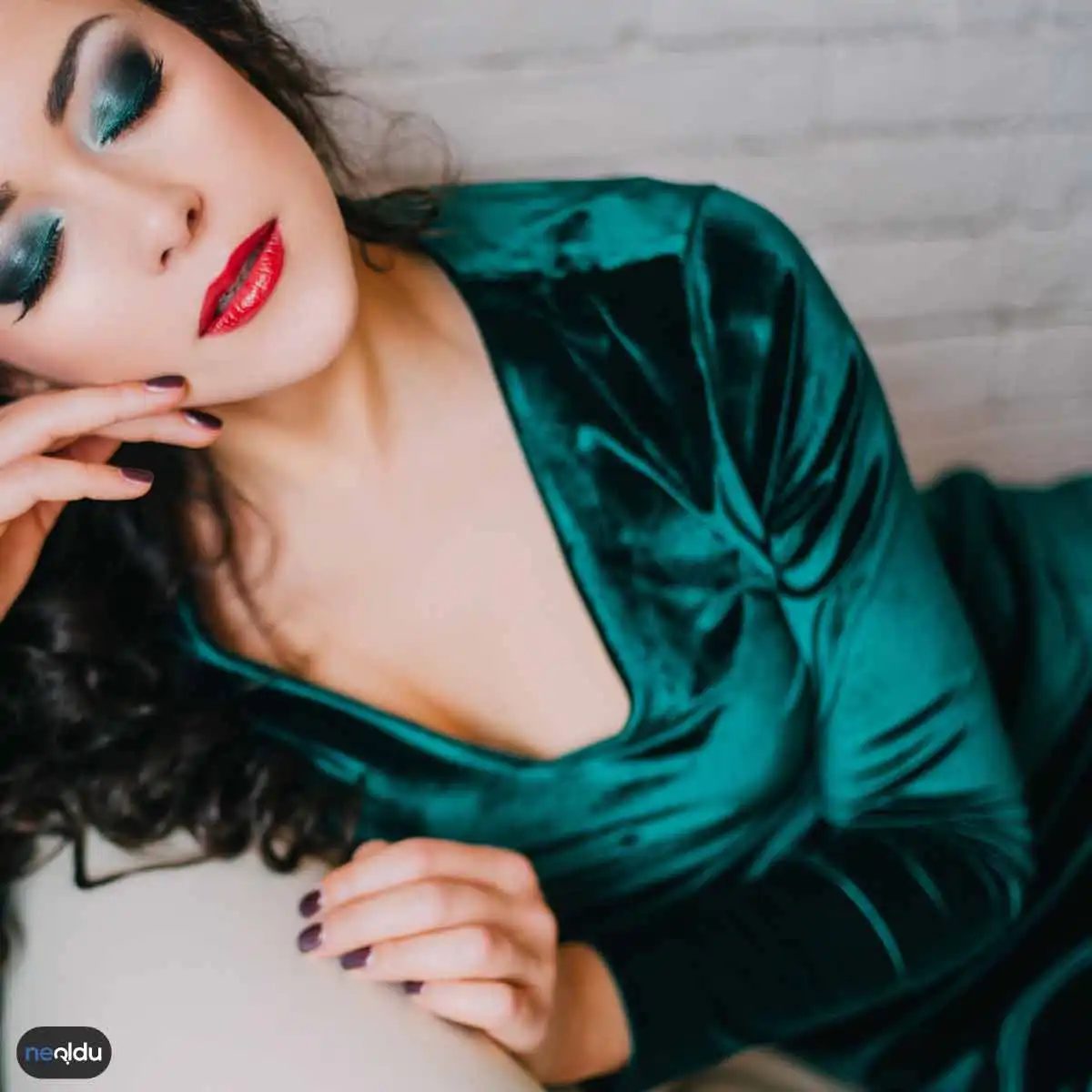
Velvet’s Endless Reinvention in Fashion
You probably know it as velvet, but the fabric carries the weight of centuries. It started in the Middle East, moving into Italian trade by the 13th century. Nobles loved it. Wealth liked it. During the Renaissance, if you weren’t wearing velvet, were you even trying to signal status? It became a texture synonymous with luxury.
By the 17th century, French fashion had adopted it. Women’s velvet dresses weren’t just clothing; they were social markers. The trend stuck through the 18th century, proving that some things don’t just peak—they persist.
Then Hollywood got involved. Early 20th-century stars favored velvet for evening gowns. It catches light differently than silk or satin. It’s heavier. It demands attention. The trend resurfaced in the 1960s, this time tied to hippie aesthetics, before disappearing into the background again.
Today, designers keep bringing it back. You’ll find velvet jackets, skirts, and dresses in modern collections. Accessories matter too. Velvet shoes and bags appear frequently on runways. It’s not just about the garment. It’s about the texture against the skin.
How to Style Velvet Without Looking Costly
The challenge with velvet clothing is avoiding the “costume” trap. Cheap velvet looks synthetic. Good velvet has depth. It shifts color as you move. To wear it right, focus on cut and context.
For Women’s Fashion Tips on Velvet:
- Start Small : If you’re new to the trend, try a velvet accessory first. A clutch or a pair of loafers. Low risk. High impact.
- Mix Textures : Pair a velvet blazer with denim. The contrast breaks up the formality. Denim grounds the luxe feel.
- Color Matters : Deep hues like emerald or burgundy work best. They emphasize the fabric’s richness. Pastels can look washed out unless the velvet quality is high.
- Occasion Awareness : Velvet shines at night. It reflects ambient light beautifully. For daytime, stick to matte fabrics or very subtle velvet blends.
Why Velvet Remains a Staple
Velvet isn’t just a trend. It’s a material that adapts. It works for formal events and casual outings if styled correctly. The key is fabric quality. Look for natural fibers like cotton or silk blends. Synthetics can look shiny and cheap under harsh lighting.
When shopping for velvet fashion trends, check the nap. Rub the fabric gently. If it changes shade in the direction you rub, the pile is good. If it looks flat, walk away.
The history of velvet is a history of status. But today, it’s accessible. You don’t need to be a noble or a star. You just need to understand how to wear it. That’s the real trend.
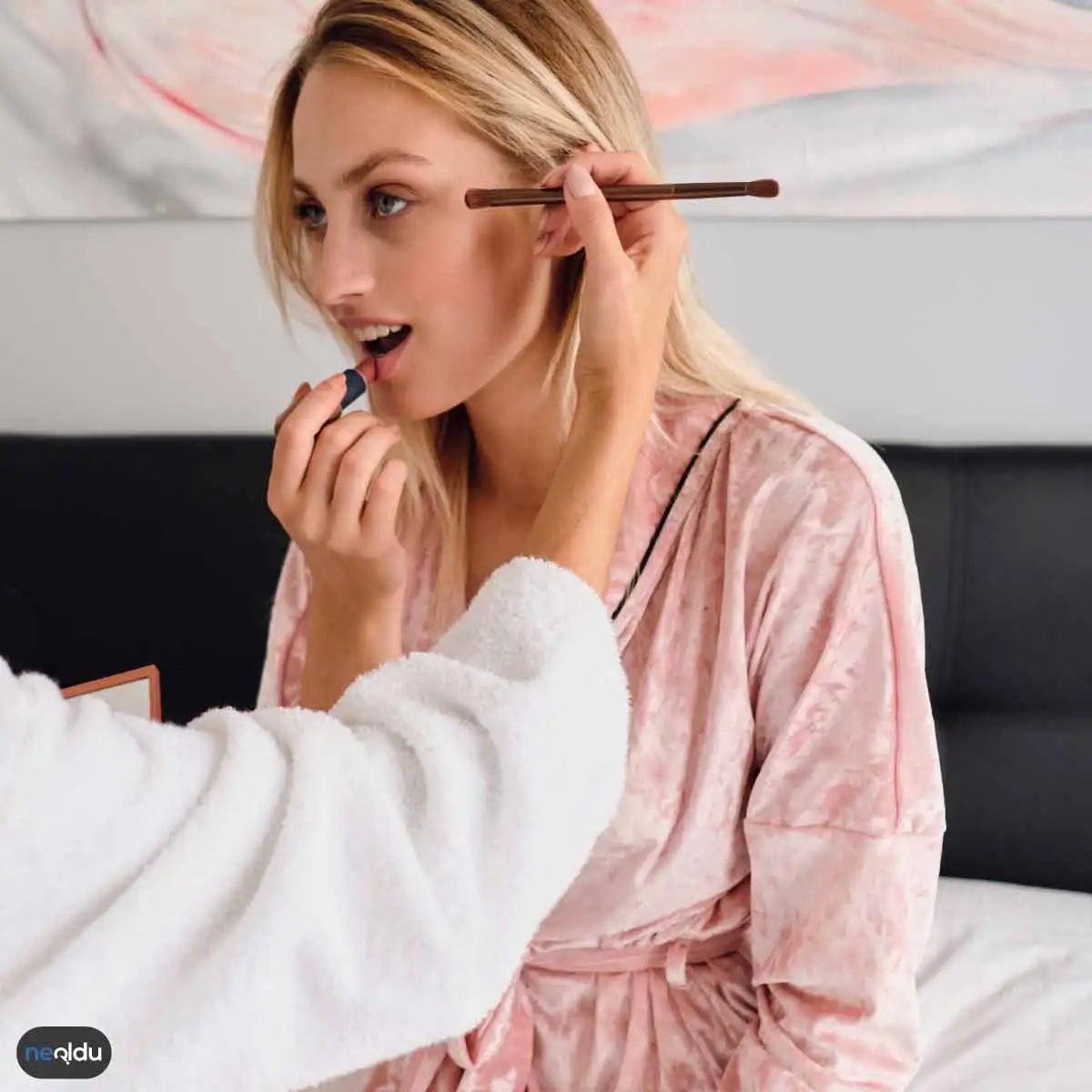
The velvet revival: how to wear it now
Velvet isn’t just for old portraits or holiday party leftovers. It’s everywhere again. Jackets. Dresses. Pants. Shirts. The fabric has shed its stuffy reputation. Now it’s about texture. Depth. A quiet kind of luxury that doesn’t need to shout.
It works for everyone. Men wear it to weddings and graduations. Women wear it to brunch or black-tie events. The trick? Knowing which cut fits your life.
Blazers and the power of the drape
Velvet blazers are having a moment. Not the stiff, shoulder-padded kind from the 80s. These are softer. More fluid. They work in a suit for a formal event or thrown over a t-shirt for a casual night out.
Rich colors dominate. Jewel tones. Deep greens. Burgundy. Navy. The cut varies, but the goal is always the same: structure without rigidity. If you’re buying one for a wedding, go for a darker shade. It photographs better. It looks more expensive.
Dresses: day vs. night
For women, velvet dresses are the ultimate chameleon. You can find them in every length and style. Maxi dresses are surprisingly popular in summer. Yes, velvet in heat? It’s about the right weight. Lightweight velvet breathes. It drapes. It doesn’t cling like it used to.
Winter calls for mini or midi lengths. Partying? Go for something shorter. It’s easier to move in. It catches the light differently when you’re dancing. Daytime? Think midi. More covered. More elegant.
Pants and skirts: the casual luxury
Velvet trousers and skirts are for anyone who wants to look polished without trying too hard. Trousers tend toward the formal side. Think office chic or dinner dates. Skirts lean casual. A velvet mini with a sweater is a classic combo.
They come in warm, rich colors. And they’re easy to style. Pair them with basics. A white tee. A simple knit. Let the fabric do the talking.
Shirts: the unexpected staple
Velvet shirts? Yes. They’ve become a go-to for both men and women. Casual or formal. You can find them in solid colors or with subtle patterns. They pair easily with velvet jackets or trousers if you’re feeling bold. Or stick to denim for contrast.
Design and style notes: what to look for
Not all velvet is created equal. Synthetic blends can look cheap. They shine too much. Real velvet has depth. It absorbs light rather than reflecting it off the surface.
When shopping, check the pile. Is it even? Does it look dense? Cheap velvet looks flat. Good velvet looks like a shadow that moves.
Also, consider the cut. A well-fitted velvet jacket should hug the shoulders but allow movement. A dress should fall naturally, not pull at the seams. Fit matters more than color. Always.
So, where do you start? If you’re new to velvet, try a shirt. It’s low risk. High reward. You can wear it under a jacket or alone. It’s versatile. It’s comfortable. It’s stylish without being loud.
What happens when you commit to the texture? It changes how you carry yourself. The weight of the fabric grounds you. The sheen draws eyes. It
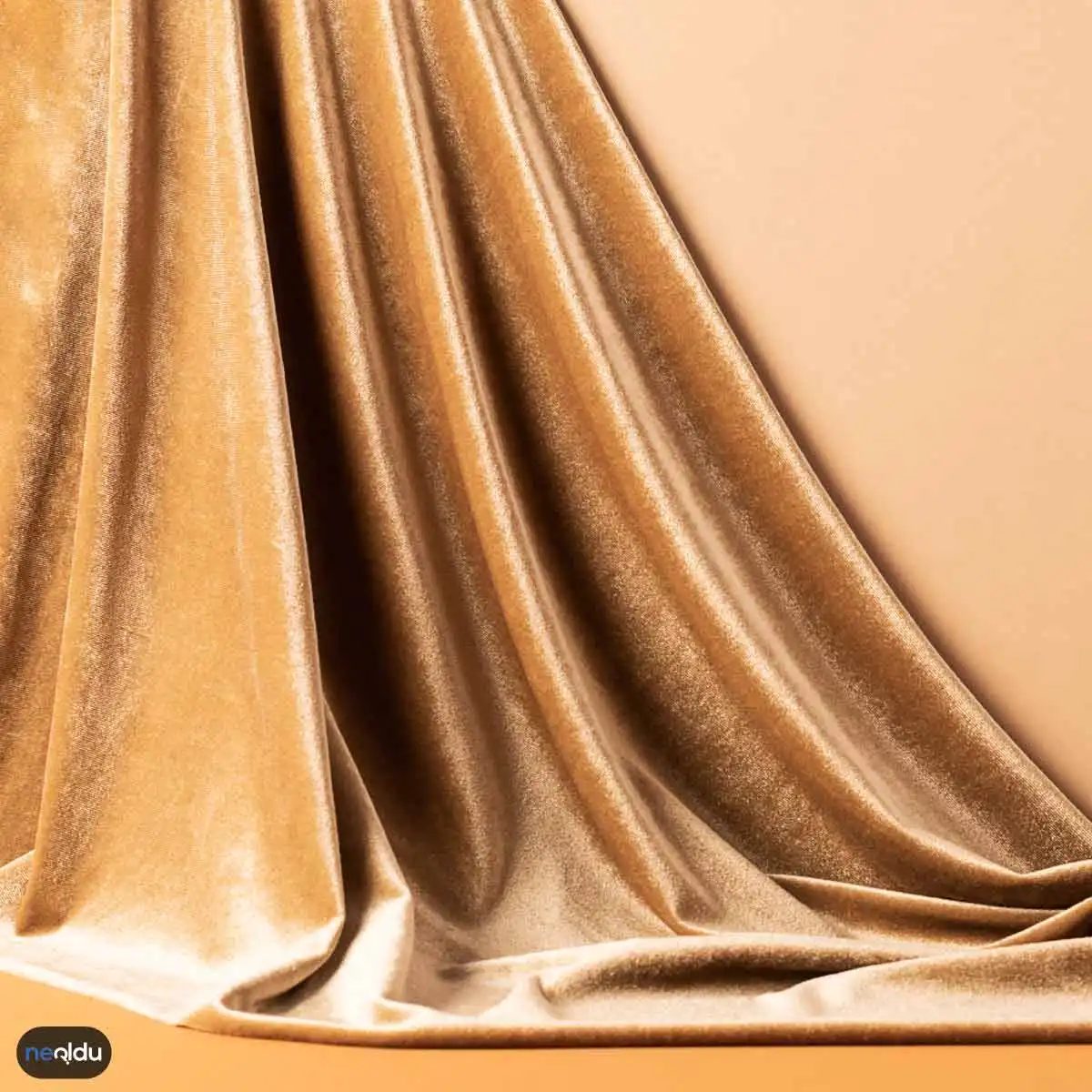
Why Simple Cuts Make Velvet Shine
Velvet doesn’t do well with clutter.
The fabric has a heavy, textured soul. It commands attention on its own. So, when you are styling velvet, less is usually more. Think about a blazer. The best ones are often solid colors. No busy patterns. No excessive pockets. Just clean lines. Let the fabric do the talking.
Accessories should be minimal. A simple necklace. Stud earrings. That’s it. If you add too much, the outfit becomes visually loud and loses its elegance. The goal is sophistication, not noise.
Dresses work the same way. A simple cut allows the velvet’s unique light-reflecting properties to take center stage. The texture changes as you move. That’s the magic. Don’t mask it with complicated design details.
Color Choices: Bright vs. Deep
Color changes everything with this fabric.
Velvet takes color differently than cotton or silk. It absorbs light and reflects it back, creating depth.
- Brights: A red, blue, or green velvet blazer pops. It’s bold. It’s confident. Great for making a statement.
- Pastels: Velvet dresses in soft pastel tones feel dreamy and romantic. The texture softens the color.
- Darks: This is where velvet truly shines. Black, navy, or deep burgundy velvet looks expensive. It looks sophisticated. The darkness intensifies the pile, giving you that luxurious, high-end vibe.
If you want to look chic and refined, start with dark shades. They are forgiving and universally flattering.
How to Care for Your Velvet Garments
Let’s talk maintenance. Because velvet is delicate, it requires a specific approach.
Dry clean only. Seriously. Avoid washing it at home. Water can ruin the pile. It can leave water spots. It can make the fabric look dull and flat. Once that shine is gone, it’s hard to bring back.
What about spills?
Don’t rub. Rubbing damages the fibers. It creates bald spots. Instead, gently blot the stain. Use a clean, dry cloth. Press down lightly. Let the fabric absorb the moisture. If the stain persists, take it to a professional cleaner. Do not risk your garment with DIY hacks.
When to Wear Velvet
Velvet is not a summer fabric. It’s too warm.
Stick to autumn and winter. The fabric traps heat. It keeps you cozy when the temperature drops. It adds a layer of visual warmth to your outfit, which is perfect for those gray, cold months.
Think of it as armor against the chill. But stylish armor.
Who and What Styles It Best
So, who should wear it? Anyone. But the cut matters.
Velvet looks best when the silhouette is clean. A tailored blazer. A flowy midi dress. Straight-leg trousers. These shapes let the fabric drape correctly. Baggy, unstructured cuts can sometimes look sloppy with heavy velvet.
It works for both day and night.
- Day: Pair a velvet blazer with dark jeans and a white t-shirt. Keep it casual.
- Night: A velvet slip dress. Simple heels. Minimal jewelry. Instant glamour.
The key is confidence. Velvet demands a certain presence. You can’t wear it shyly. You have to own the texture.
Does it require extra effort? Yes. But the payoff is a look that feels timeless. Not trendy. Timeless.
And in a world of fast fashion, that’s worth the care.