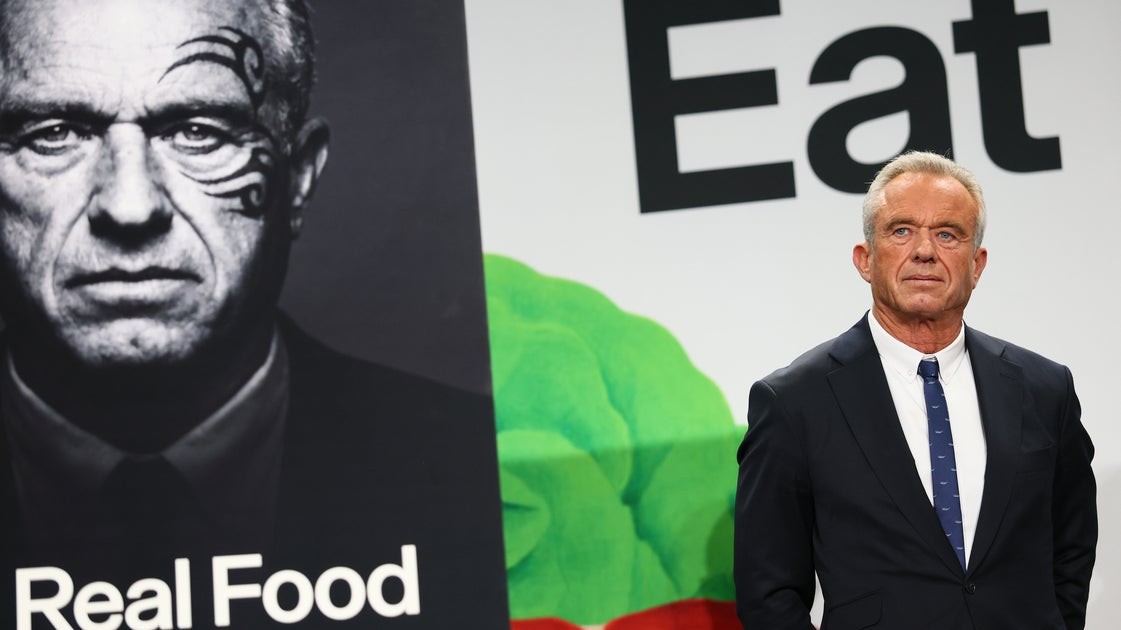
41% of American adults side with Robert F. Kennedy Jr. on health. The new KFF survey puts it that way. Roughly four in ten. Most are Republicans, obviously. MAGA voters lean this way heavily.
But the anger runs deeper.
It isn’t just party lines. People really worry about food safety. They suspect corporations are lying to them. And honestly? The data backs up that paranoia. Three quarters say there’s not enough regulation on chemical additives in food. More than six in ten feel the same about pesticides. Nobody trusts the big pharma or agri-business giants. Not anymore.
Sam Previte, a dietician, says this makes sense. Trust has evaporated. The system feels broken. People just want to hold the reins on their own bodies. They want transparency. Some of that is healthy.
“Some parts of that conversation… are understandable,” Previte noted.
There’s a trap though. Kennedy’s movement brings a shadow with it. Anti-vaccine rants. Dismissals of science. Fear mongering. Previte warns that this worldview turns health into a moral test. It suggests you can control everything if you just pick the right ingredients.
Is that control though? Or is it anxiety with a marketing budget?
We are shifting gears fast. Americans are listening to wellness influencers instead of doctors now. A Pew study says 40% of us get health tips from social media. Half of adults under 50 do. These creators? Some are medics. Many are coaches. Or just entrepreneurs selling vibes.
Katrine Wallace, an epidemiology professor who also posts content, sees the mechanics clearly. Algorithms love engagement, not accuracy. If you tell a good story, you win. Relatability beats credentials. Complex topics get smoothed out. Made simple. Made emotional.
That simplicity is dangerous. Jennifer Lincoln, an OB/GYN, argues that this “empowerment” rhetoric delays real care. People wait. They experiment. And when things go wrong? No accountability for the influencers. Just broken bodies and wasted time.
It’s not just the “crunchy moms” you think of. It’s anyone using this specific vocabulary. Medical pros have a list. Here are the flags.
‘Natural immunity’
Huge in anti-vax circles. Lincoln says it implies the synthetic is inferior to the innate. It feels intuitive until cancer hits. Or Type 1 diabetes. Then intuition fails.
‘Toxins’
The master word of the MAHA sphere. Vague. Loaded. Scary. Pediatrician Zachary Rubin points out that technically water can be toxic in high doses. But influencers use “toxin” as a bucket for all modern ills. Seed oils. Vaccines. Processed food. It avoids specificity. Specificity needs evidence. “Toxins” need nothing but fear.
‘Do your own research’
Sounds empowering, right? Wallace disagrees. In these spaces, it’s code for distrust experts. It suggests the government is hiding the truth. So people turn to podcasts. Anecdotes. Other influencers. Not the evidence base.
‘Seed oils are poisoning you’
MAHA loves to hate seed oils. Canola. Soybean. Sunflower. They claim these cause inflammation and obesity. The reality? Fat is essential. Saturated fats (meat, dairy) might actually be riskier for your heart cholesterol. The seed oil narrative is lazy. It picks a villain. Ignores stress, sleep, and money. Moderation, the Mayo Clinic says, is the answer. Influencers want your clickbait.
‘Don’t trust Big Pharma’
Previte notes this taps into real pain. Drug prices are awful. The system is corrupt in many ways. But then the slide happens. It becomes a conspiracy. Pharma isn’t just expensive, the rhetoric says. They are hiding cures. The influencer positions themselves as the martyr telling the forbidden truth.
‘Inflammation’
The slippery villain. Today it’s gluten. Yesterday dairy. Tomorrow general “inflammation.” Lincoln explains that this word works because it’s a real biology term. That lends it fake credibility. But in influencer-speak? It’s the cure-all. Tired? Inflammation. Cancer? Inflammation. Buy the supplement. Fix the inflammation.
‘Root cause’
Wallace says this implies doctors only treat symptoms. Alternative gurus treat the “root.” Sometimes that’s just preventive care, which is good. In MAHA spaces, though? It’s usually anti-medication. The belief is the body heals itself if you remove the “unnatural” stuff. Remove the drug. Heal. Simple. False.
‘Longevity’ / ‘Biohacking’
This is the shiny new layer. Who doesn’t want to thrive? To live longer? But Lincoln warns that in this corner, “longevity” means extreme protocols. Unproven pills. Cold plunges. A $200 monthly subscription box. It tells you your doctor keeps you alive but won’t help you thrive. So you skip the annual physical. You buy the hack.
The goal isn’t always health. It’s often just belonging.
“The implicit message is… the real path… runs through biohacking… not your annual physical.”
We keep looking for a switch we can flip. A clean solution to a messy system. The influencers sell that switch. Kennedy sells that vision. The trouble is the body doesn’t run on simple narratives. It runs on chaos.
And nobody wants to buy chaos.