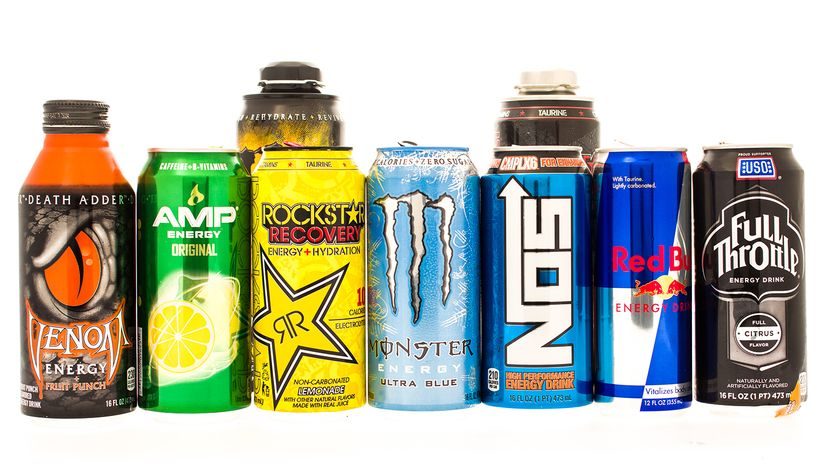
You crack open a can, expecting a quick fix. You get a jolt. Maybe it’s a spark. Maybe it’s a sledgehammer.
The market is flooded with cans promising alertness. But not all energy drinks are created equal. Some pack a gentle whisper of stimulation. Others deliver a chemical shout. If you are hunting for the highest-caffeine energy drink, you need to look past the marketing and check the label.
Caffeine works by blocking adenosine. That’s the brain chemical that tells you to go to sleep. Block it, and you feel awake. It improves endurance. It cuts through fatigue. But there is a line.
The FDA cites 400 milligrams a day as the safe upper limit for most adults. Go over that. You risk insomnia. Anxiety. A heart that beats too fast. Jitters that make it hard to hold a cup of water.
So, where does your drink land? Here is the breakdown of the strongest cans on the shelf.
The 300 mg Club
These drinks are heavy hitters. One can gets you dangerously close to the daily limit.
1. Bang Energy
Bang is often the first name that comes up in this conversation. A standard 16 fl oz can holds about 300 mg of caffeine. It is sugar-free. It comes in nine bold flavors. Fitness enthusiasts love it for pre-workout power. Students use it to survive late-night study sessions. Just one can is 75% of your daily safe limit. Drink two, and you are playing with fire.
2. Celsius Heat
Celsius makes several drinks. Heat is the one to watch out for. It also contains 300 mg per 16 fl oz can. The brand markets this with thermogenic ingredients and B vitamins. They claim it helps burn fat during exercise. The caffeine content demands respect. Moderate consumption is key here. Too much leads to sleep disruption and anxiety.
3. Rockstar Xdurance
Rockstar has a long history. Xdurance is their answer to high-performance demand. It delivers roughly 300 mg of caffeine in a 16 fl oz serving. It includes electrolytes and B vitamins. It is designed for athletes and high-intensity training. It is among the strongest widely available options.
4. C4 Ultimate Energy
Cellucor’s C4 uses a “tri-stim” blend. The name sounds scientific. The effect is potent. Like the others, it targets workouts and performance. Candy-inspired flavors mask the bitterness. It stands out in a crowded market. But the stimulant kick is real.
The 200 mg Middle Ground
These drinks are strong. But they are not walking a tightrope over the safety limit like the 300 mg options.
1. Celsius Original
Don’t confuse this with Heat. The original Celsius contains about 200 mg of caffeine. It comes in a smaller 12 fl oz can. It still focuses on fitness. It still includes B vitamins. It is sugar-free. It is a solid choice for a midday boost without the extreme risk.
2. Java Monster
This is coffee meets energy drink. A 15 fl oz can holds roughly 200 mg. It includes milk and sweet coffee flavors. It appeals to people who love coffee taste but want the convenience of a can. It gives more buzz per sip than Ghost or Prime.
3. Ghost Energy
Ghost has built a cult following. Gamers. Younger consumers. They want sugar-free options with bold flavors. A 16 fl oz can provides about 200 mg. It is significantly lower than the 300 mg giants. But it is still much higher than soda or traditional beverages.
4. Prime Energy
Prime gained traction through influencer marketing. It is everywhere in convenience stores now. It contains about 200 mg per 16 fl oz can. Zero sugar. Added vitamins. It positions itself as a modern alternative. But make no mistake. It is still a potent stimulant.
Lower Options
Not everyone wants a shock to the system. Some drinks offer a milder lift.
1. Monster Energy
The original Monster contains about 160 mg of caffeine. It comes in a 16 fl oz can. It is strong compared to soda. But it is significantly weaker than the newer high-caffeine entries. It remains a staple from the early 2000s.
2. Red Bull
Red Bull changed the game. It is globally popular for a reason. A standard 8.4 fl oz can has about 80 mg. The serving size is small. The caffeine content is lower than almost every competitor. It is a gentle nudge. Not a shove.
The Bottom Line
Your tolerance matters. Your body matters.
If you are sensitive to caffeine, start low. Red Bull. Maybe a smaller serving of Monster. If you are a seasoned user, you might handle 200 mg. But 300 mg is a serious amount. It approaches the daily cap.
Check the label. Respect the milligram count. Your sleep schedule will thank you. Your heart rate might too.
What happens when you mix these with alcohol? That is a conversation for another time. For now, just know what you are putting in your body. The labels don’t lie. The cans do the talking.
Understanding Safe Caffeine Limits for Daily Health
Your body doesn’t treat caffeine like a generic fuel source. It’s personal. Two people can drink the same number of coffees, and one might breeze through the afternoon while the other is shaking by three p.m. Body weight, existing tolerance, and your specific metabolism dictate how your system handles that kick.
For the average adult, the safety line sits around 400 mg of caffeine per day. This is the threshold most health organizations point to as a safe daily maximum. It’s not a goal. It’s a ceiling.
Crossing that line often triggers the unpleasant side effects. You might notice your heart rate picking up speed unexpectedly. Anxiety can creep in, even if you feel calm otherwise. Insomnia is the big one—staying up when you should be sleeping. Stomach upset rounds out the list of complaints when you’ve overdone it.
The Toxicity Threshold and Half-Life
We aren’t talking about getting sick from one extra latte. We’re talking about significant overdose territory. Toxic effects from caffeine usually require very high doses, hovering around 1,200 mg. That’s a lot of coffee or multiple energy drinks downed in a short window.
But the real culprit for daily disruption is the half-life. Caffeine stays in your system far longer than you think. Roughly 4 to 6 hours for half of it to leave your blood. Some studies suggest it can linger for up to 12 hours.
Caffeine can stay in the body for up to 12 hours, which is why consuming energy drinks late in the day may interfere with sleep.
Think about that timeline. If you down a large energy drink at 4 p.m., your body is still processing a significant amount of it at 8 p.m. or even midnight. That’s why late-day consumption disrupts sleep cycles, regardless of how “tired” you feel.
Using Energy Drinks Strategically
Energy drinks have their place. They offer quick alertness. They help during workouts. They can save you during long study sessions. But they aren’t a substitute for rest. The key is moderation.
Most adults can avoid negative health effects by keeping their intake within recommended limits. It’s not about quitting entirely. It’s about timing and quantity.
We created this article in conjunction with AI technology, then made sure it was fact-checked and edited by a HowStuffWorks editor.