We all know the struggle. You wash your hair on Friday night. By Saturday afternoon, it looks like you just stepped out of a grease trap. It’s heavy. Flat. Unforgiving.
This isn’t just an aesthetic annoyance. It affects confidence. That constant need to shampoo again can strip your scalp, leading to a vicious cycle of over-production. But you don’t need another bottle of chemical-laden dry shampoo.
There is a better way. A natural hair mask recipe that actually works.
It’s simple. It’s safe. And you can make it in your kitchen right now.
What Causes Oily Hair in the First Place
Before we fix it, we need to understand why it happens. Oily hair isn’t random. It’s usually a reaction to something else.
- Over-washing: Sounds counterintuitive, right? But stripping your scalp of natural oils signals your body to produce more oil to compensate.
- Hard Water: Minerals in your tap water can build up on the scalp, irritating it and triggering excess sebum production.
- Diet and Hormones: High sugar intake or hormonal shifts can ramp up oil production.
- Product Buildup: Silicones and heavy conditioners sitting on the roots weigh hair down and trap dirt.
If you’re asking why your hair gets oily so fast, look at your routine. Are you washing too often? Are you using products that don’t rinse clean?
The Natural Solution for Greasy Roots
You don’t need a dermatologist to manage this. You need balance.
This natural hair mask targets the root of the problem—literally. It clarifies without stripping. It soothes irritation. And it costs almost nothing.
The secret ingredient? Clay.
Specifically, bentonite or rhassoul clay. These clays are magnetic. They pull out impurities, excess oil, and buildup from your scalp. But clay can be drying. So we mix it with soothing agents.
Here is the recipe:
- 2 tablespoons of bentonite or rhassoul clay
- 1 tablespoon of apple cider vinegar (ACV)
- 1 tablespoon of water or rose water
- A few drops of tea tree oil (optional, for antibacterial boost)
How to use it:
- Mix it right. Combine the clay and ACV in a non-metal bowl. Metal can deactivate the clay’s properties. Add water slowly until you get a smooth paste.
- Apply carefully. Section your hair. Apply the paste directly to your scalp. Focus on the roots. Avoid the ends of your hair—they don’t need this treatment.
- Wait. Let it sit for 15-20 minutes. It will dry out. That’s normal.
- Rinse thoroughly. Use lukewarm water. Follow with a light conditioner only on the ends.
The key is consistency. Do this once a week. Not every day.
Why This Works Better Than Daily Shampooing
Daily shampooing is a band-aid. It removes the oil you just produced, telling your brain to make more. This mask breaks the cycle.
It deep cleans. It balances


Why your scalp is acting like an oil refinery
Let’s be real for a second. There is nothing quite as depressing as washing your hair in the morning only to have it look greasy by lunch. It feels heavy. Flat. Alive in the worst way possible.
You might think you’re just bad at washing. You’re probably not. The issue usually comes from beneath the surface. Your sebaceous glands are working overtime. They produce sebum to protect your hair, sure, but when they go into overdrive, you get that slick, stringy look.
Stress plays a weird role here. High cortisol levels mess with your hormones, which signals your scalp to produce more oil. It’s a direct line from your busy life to your bad hair day.
Genetics matter too. If your parents had oily scalps, you likely inherited that trait. You can’t change your DNA, but you can manage the output. Then there’s hair texture. Fine hair shows oil faster. It lacks the volume to hide the shine. Thick, coarse hair can usually carry more product and oil without looking like it just rolled out of a grease trap.
What you eat changes everything. Fried foods. Highly processed snacks. They don’t just sit in your stomach. They can influence your skin’s oil production. Cut back on the junk, and your scalp might thank you.
Heat is another culprit. Hot weather makes you sweat. Sweat mixes with oil. Suddenly, your roots are weighed down. And let’s talk about the products you’re actually putting on your head. Heavy styling creams. Thick waxes. If you’re packing your hair with heavy stuff, you’re trapping the oil and adding more weight. It’s a double whammy.
So, what do you do about it? You strip it back.
How a natural mask can reset your hair
You don’t need a chemical overhaul. Sometimes, simple ingredients work better than anything in a bottle. A natural mask can help absorb excess oil without stripping your scalp so hard that it panics and produces even more sebum.
Think about clay. Kaolin or bentonite clay acts like a sponge. It pulls impurities and oil out of the follicle. Mix it with water or apple cider vinegar. Apply it just to the roots. Let it sit for ten minutes. Rinse. Your hair will feel lighter. Airier.
Tea tree oil is another option. It’s antimicrobial. It helps keep the scalp clean without the harshness of sulfates. Just a few drops in your shampoo goes a long way.
The goal isn’t to dry out your hair. It’s to balance it. If you over-wash, your scalp thinks it’s desert-dry and produces more oil to compensate. It’s a cycle. Break it by washing less frequently, using lighter products, and letting natural ingredients do the heavy lifting.
Your hair doesn’t have to be a daily chore. It just needs the right approach.
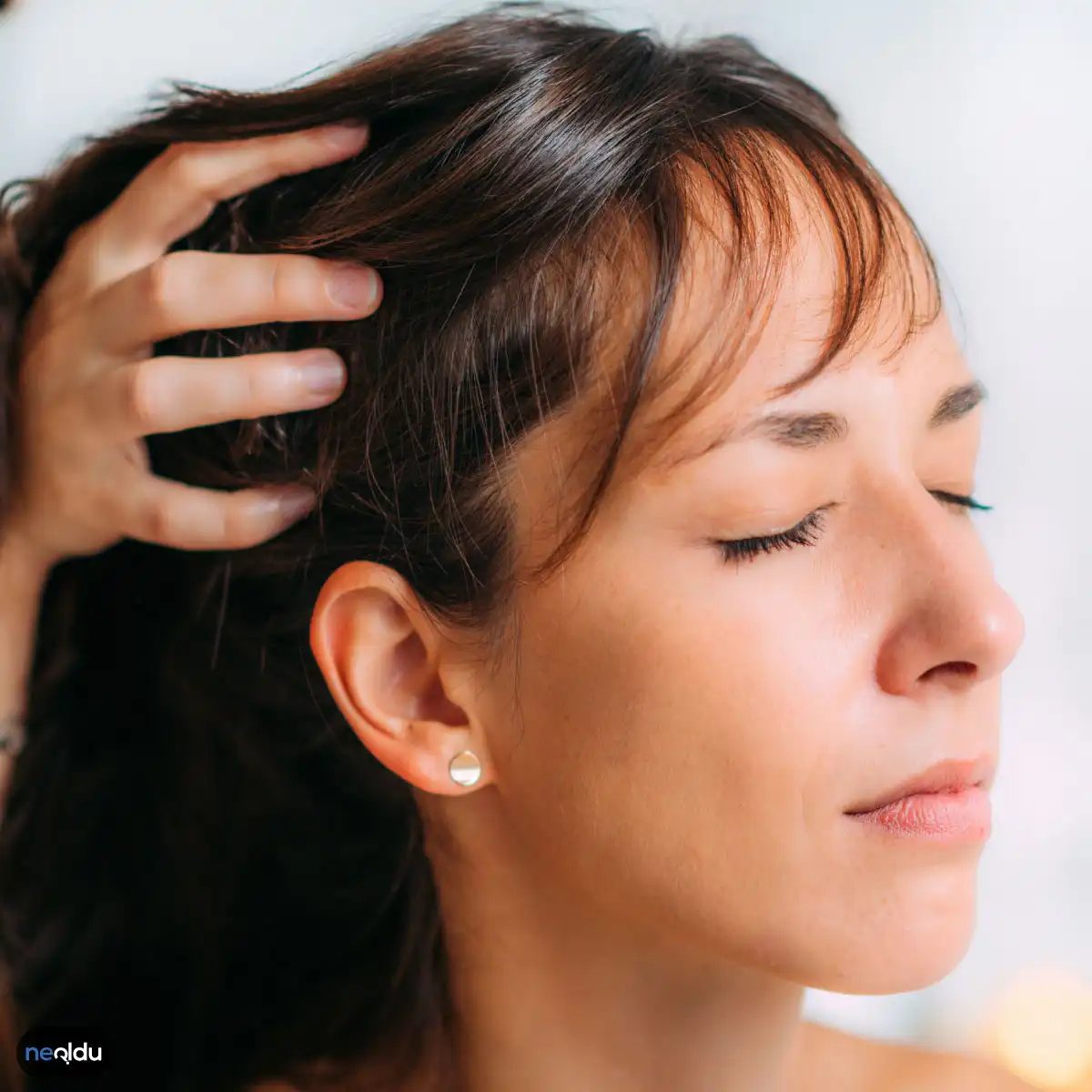
Why this egg white hack actually works
You’re probably wondering why anyone would put raw eggs and citrus on their scalp. It’s not just an old wives’ tale. The chemistry is straightforward. Egg whites are packed with protein. Your hair is basically keratin, which is protein. Adding protein helps strengthen the strands from the outside in. It fills in gaps. It smooths the cuticle.
Lemon juice brings the acid. This isn’t about bleaching. It’s about pH. Lemon strips away that waxy buildup from shampoos and hard water. It clears the path so the protein can actually do its job. Then there’s the honey. Honey isn’t just a sweetener. It’s a humectant. It pulls moisture into the hair shaft. So you get strength from the egg, clarity from the lemon, and hydration from the honey. A decent mix.
How to apply it without the mess
Here’s the part most tutorials skip. The mess. Egg whites stick. They dry into a crust. If you’re not careful, you’ll spend more time scrubbing than styling.
Start with clean, damp hair. Not soaking wet, just towel-dried. This helps the mask spread easier.
Break the egg carefully. Separate the white from the yolk. You don’t want the yolk. It adds oil, which defeats the purpose if you’re looking for volume or clarity. Whip the white until it’s frothy. Just a few seconds. Add the tablespoon of lemon juice and the tablespoon of honey. Stir until it looks uniform.
Apply it to your scalp first. Use your fingertips. Massage it in. Think of it like a pre-shampoo treatment. Then work the rest down the lengths. Don’t soak your ends unless they’re damaged. You want the strength up top.
Leave it on for 30 minutes. Set a timer. If you leave it too long, the egg starts to smell. And not in a good way.
Rinse with lukewarm water. Hot water cooks the egg. Trust me. You do not want cooked egg white in your hair. It clumps. It’s a nightmare to remove. Lukewarm keeps it liquid. Follow up with your regular shampoo. You might need to shampoo twice to get all the residue out. Condition only the ends.
Who should skip this mask
This isn’t for everyone. If you have a scalp condition like psoriasis or severe eczema, the lemon might sting. Skip it.
If you have very dry, brittle hair, the egg white might feel tightening. It’s protein, after all. Too much protein can make hair stiff. If your hair feels straw-like after, you need more moisture, not more egg.
And if you’re allergic to eggs? Well. Obviously don’t do it.
The verdict on DIY hair care
It’s cheap. It’s effective. It’s a bit smelly.
You won’t grow three inches of hair in a week. That’s a myth. But you might notice your hair feels thicker. You might see less breakage. The shine can be real.
It’s worth trying once. Once a month is plenty. You don’t need to do it weekly. Overdoing protein leads to brittleness. Balance matters.
So next time you’re staring at your hairline, wondering if the expensive salon treatments
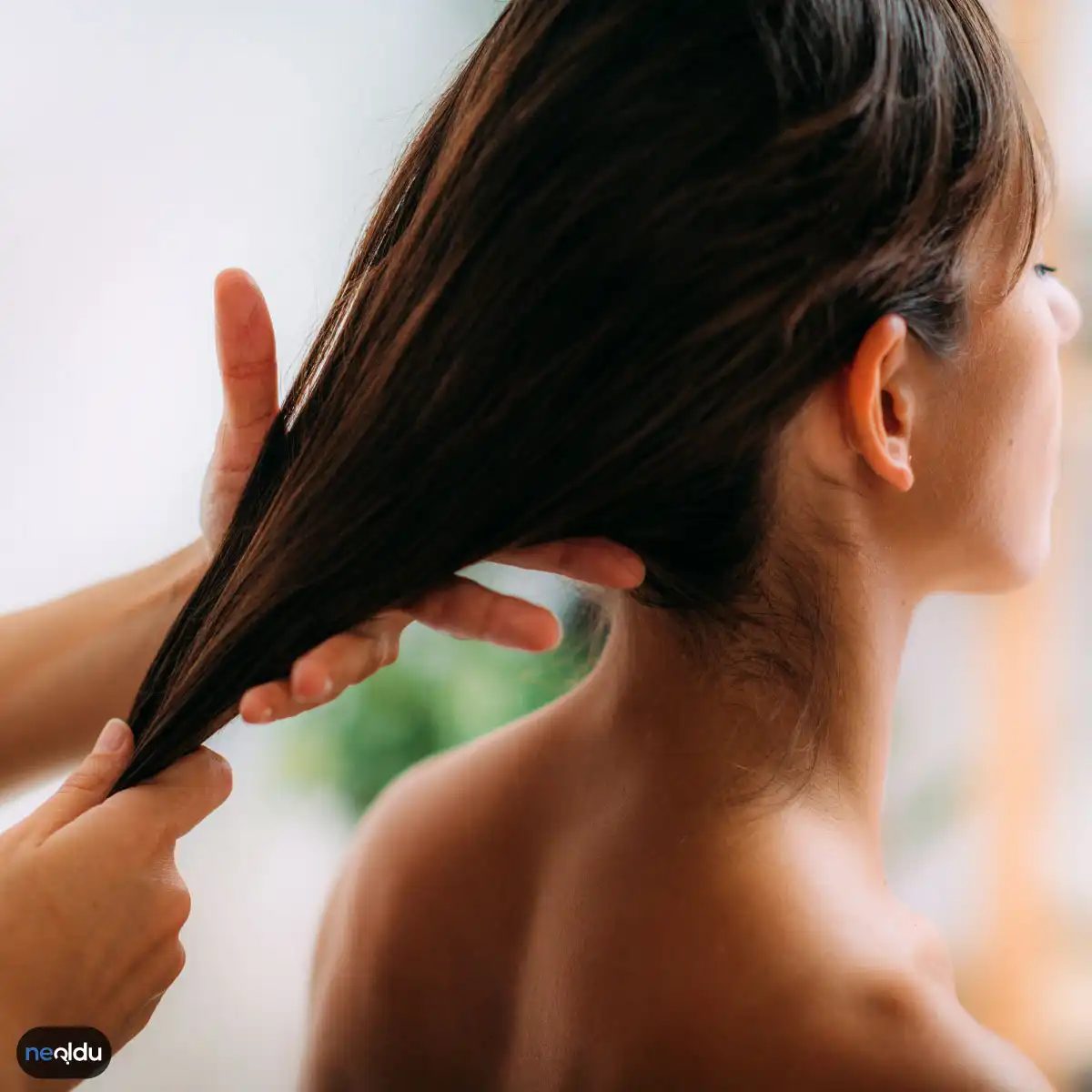
Why Your Hair Gets Greasy (And How to Stop It)
We talk about ingredients. We mix the egg white for the protein hit. We squeeze the lemon to strip the excess oil. We drizzle the honey to keep things from getting brittle. But here’s the thing: no mask fixes a bad routine. If you’re washing your hair with the wrong temperature water or brushing it like you’re trying to exfoliate, you’re just inviting the grease back in.
It’s not just about what you put on your hair. It’s about what you do to it between washes.
The secret isn’t a miracle product. It’s habit.
Stop Washing With Scalding Water
This is the most common mistake. You’re tired. You’re in the shower. You turn the knob all the way to the right. Hot water feels good on your shoulders, sure. But it’s a disaster for your scalp.
Heat strips away natural oils. Your scalp panics. It thinks, “Oh no, we’re dry,” and goes into overdrive. It pumps out more sebum to compensate. You end up with greasier roots faster than before.
Use lukewarm water. Or cool. Cold water seals the cuticle. It makes hair look shinier. It keeps the oil production in check. It’s a simple shift. Try it for a week. You’ll notice the difference by day three.
Brushing Is Not Exasing
We think brushing spreads the natural oils from our scalp down to the ends. It does. But it also spreads dirt, product buildup, and bacteria. If you’re brushing your hair twenty times a day because your grandmother told you to, you’re actually making the problem worse.
Your scalp doesn’t need a massage every hour. It needs air.
Limit brushing to when you’re styling. Use a wide-tooth comb on wet hair. Use a natural bristle brush on dry hair if you must. But don’t make it a ritual. Let your scalp breathe.
The Pillowcase Factor
You sleep on it for eight hours. Every night. Your face touches it. Your hair rubs against it. If your pillowcase is cotton and hasn’t been washed in a week, it’s holding onto sweat, old hairspray, and skin cells.
Switch to silk or satin. Cotton absorbs moisture. It creates friction. Silk lets your hair slide. It reduces breakage. It keeps the oils from transferring back into your hair shaft as much.
Wash the case once a week. Seriously. It’s laundry. It takes ten minutes. Your hair will thank you.
Touch Less
This is the hard one. We touch our hair. We twirl it. We check if it’s greasy. Then we touch it again. Your hands have oils. They have lotion. They have whatever you touched at lunch.
Every time you run your fingers through your hair, you’re depositing more grease at the roots. Stop. Put your hands in your pockets. Wear a hat if you have to. But stop touching.
Dry Shampoo Is a Band-Aid, Not a Cure
It works. It absorbs oil. It buys you a day. But if you use it every single day without washing, you’re letting the buildup sit on your scalp. That clogs follicles. It leads
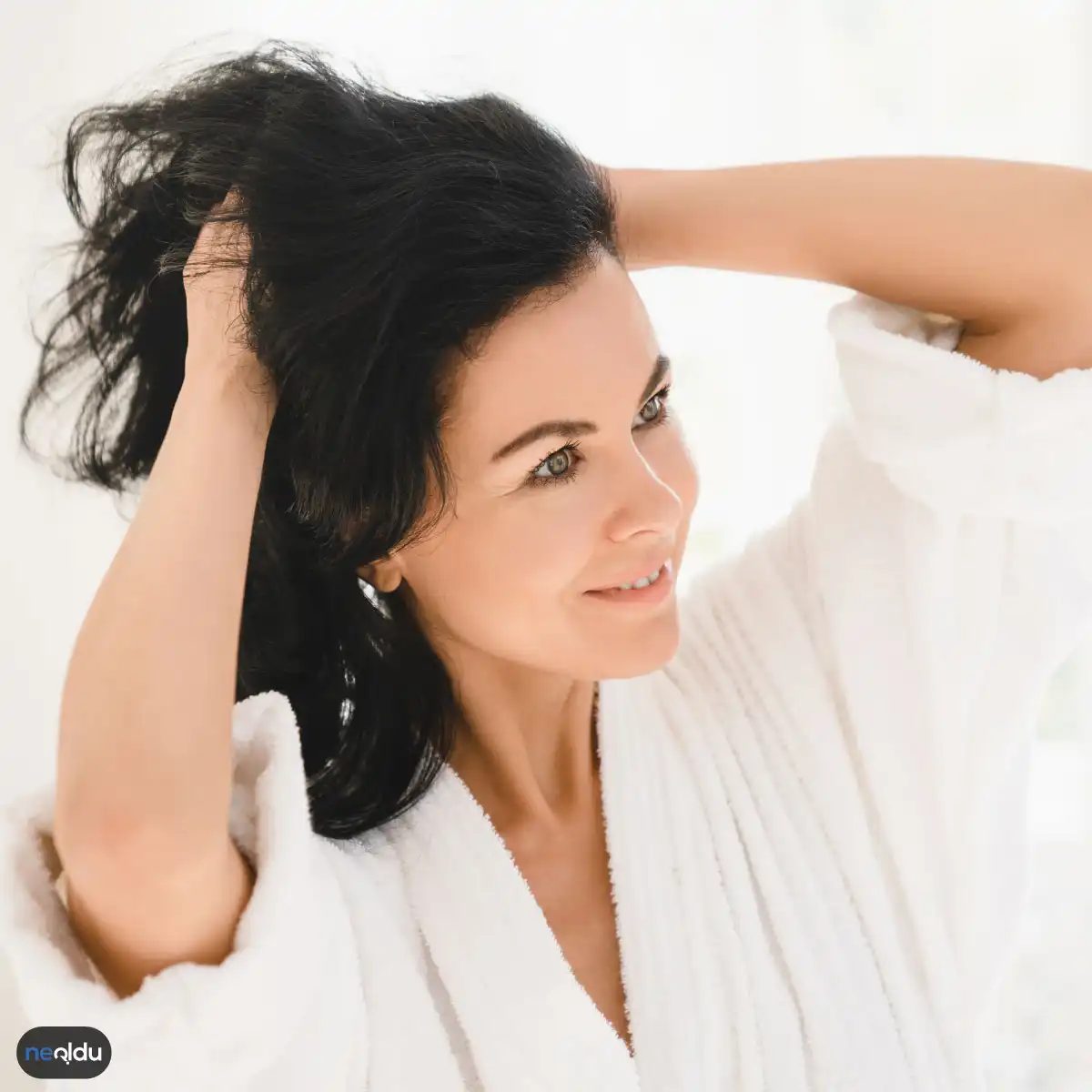
How to stop oily hair without over-washing
We all know the struggle. You wash your hair in the morning. By noon, it looks like you haven’t touched a shampoo bottle in weeks. It’s frustrating. But here is the thing most people get wrong. Washing it every single day isn’t the fix. In fact, it might be making it worse.
The right frequency for washing oily hair
There is a sweet spot. Aim for two or three times a week. Yes, really. If you scrub too hard, too often, your scalp panics. It thinks it’s dry. So it produces more oil to compensate. It’s a vicious cycle. Break it. Let your scalp breathe. Give it a chance to regulate itself.
Which shampoo actually works for greasy roots
Ditch the heavy, moisturizing formulas they sell for dry hair. You need something specific. Look for shampoos formulated for oily hair. These are lighter. They clean without stripping everything away. They help balance that greasy shine without leaving your strands feeling like straw.
Why cold water matters more than you think
Hot water feels good. It’s relaxing. But for your scalp? It’s basically a signal to pump out more sebum. Switch to cool or cold water when you rinse. It doesn’t have to be icy. Just not hot. This simple switch helps keep the oil production in check at the roots.
Stop heating your hair up
After the shower, the damage can continue if you’re not careful. Blow dryers are powerful. So are hot towels. The heat stimulates the glands. Instead, gently squeeze the water out with a towel. Pat, don’t rub. Then let it air dry. It takes longer, I know. But your roots will thank you.
Loose styles only
Tight ponytails are a no-go. Pulling your hair back tightly tugs on the scalp. This friction can increase oil production. Keep it loose. Or leave it down. Give your scalp some space.
What you eat shows up in your hair
You are what you eat. Even your hair follicles know it. Fried foods and processed junk can contribute to excess oil. Swap them out. Eat more protein. Load up on vitamins. Your hair needs fuel that isn’t just grease.
Quick fixes and mask myths
Got questions about hair masks? Here is the reality.
- How often? Once a week is enough. You want your hair to look lively, not slick.
- Where to apply? Only on the roots. Do not put heavy masks on the lengths if you are fighting oil.
- How to rinse? Warm water first. Then shampoo. Yes, shampoo after the mask. It clears the residue.
- Does it stop hair loss? No. Natural masks help with appearance and health. They are not a cure for hair fall. If you are losing hair, see a doctor. Don’t rely on avocado and eggs.