You know the drill. Sleep eight hours. Eat your greens. Hit the gym. Manage the stress. Standard wellness advice, repeated until it loses all flavor.
But there is another player in the game. The vagus nerve.
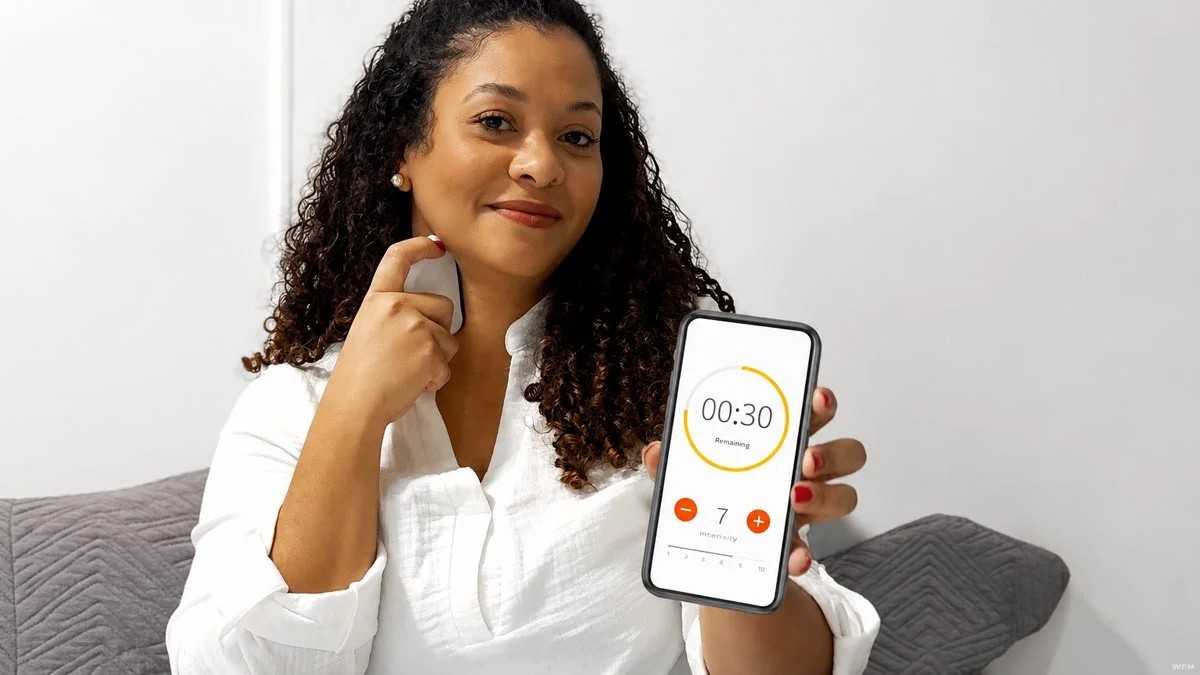
It rarely makes the news, but it’s doing a lot of heavy lifting. Connecting your brain to your heart, lungs, and gut. It’s the body’s internal communication cable. As people get tired of vague advice like “just relax,” they’re looking at tech. Specifically, the truvaga. A pocket-sized handheld device.
Non-invasive. Portable. Meant for home, not the hospital.
The Longest Cable in Your Body
The vagus is the longest cranial nerve you’ve got. It starts in the brainstem and winds its way down through your neck, chest, abdomen. Touching every major organ along the path.
It controls the parasympathetic nervous system. Or, as everyone likes to say, the “rest and digest” mode. When you’re stressed, your heart races. When this nerve fires correctly, everything slows down. Heart rate drops. Digestion kicks in. You relax.
Researchers love studying it. For obvious reasons.
Why Now?
We are stressed out. Constantly. Everyone is hunting for shortcuts. A pill would be nice, but technology is the new fix.
We used to rely on doctors and clinics for nerve stimulation. Those were big implants. Surgery required. For severe neurological conditions, mostly.
That era is over. Or at least, it has a new face.
Today’s devices skip the scalpel. They stimulate the nerve through the skin. Simple pulses. Short sessions. You can do it while watching TV. This shift turned a clinical treatment into a lifestyle gadget.
How It Works (Basically)
No electrodes going under the skin here. Instead, handheld stimulators send gentle electrical pulses. Targeted areas. Where the vagus nerve branches are accessible through the skin.
Keep it simple:
– Compact design
– Rechargeable battery
– One-button operation
– Short sessions
– Light enough to travel
The goal? Convenience. Making bioelectronic medicine something you can fit in your pocket.
The Nervous System Isn’t Sexist
Stress affects everyone, sure. But the burden of juggling work, family, fitness, and self-care often lands disproportionately on women. Trying to maintain physical and emotional equilibrium feels like a full-time job.
Most women already stack healthy habits:
– Yoga
– Meditation
– Deep breathing exercises
– Sleep routines
This tech doesn’t replace those. It sits beside them. A digital companion in the wellness routine. Not a substitute, but a supplement.
The vagus nerve is central to recovery.
When stress hits, the sympathetic nervous system kicks you into gear. Fight or flight. When it passes, the parasympathetic system helps you return to baseline. The vagus is the brake pedal. Healthy activity there equals relaxation. Science is still catching up on exactly how, but interest is booming.
More Than a Trend
Look at your wrist. You probably track your steps, your sleep, maybe your heart rate variability. Pocket-sized devices have colonized our lives.
Vagus stimulators fit right in. They are accessible. Easy. Part of a broader toolkit rather than the whole shed.
Compared to the old clinical units, modern devices offer distinct perks:
1. No surgery
2. Portable
3. User-friendly
4. Rechargeable
5. Home-based
Suddenly, millions of people have access to technology that was once strictly medical.
What Do Scientists Say?
Be careful. It’s not magic.
Research is ongoing. Scientists are looking at stress response, sleep quality, and physical recovery. Early results? Promising, maybe. But conclusive? Not yet.
Experts want more data. Long-term studies are needed to define exactly what these non-invasive pulses can and cannot do.
View these devices as wellness tools. Not doctors. Definitely not medicine.
Is It Safe For You?
Responsibility matters. If you have an implanted electronic device—like a pacemaker—don’t touch these gadgets without talking to a doctor. Certain heart conditions change the rules entirely.
Read the manual. Follow the guidelines. Don’t guess.
The Personalized Future
Health tech is becoming hyper-personal. We measure everything. Sleep. Steps. Calories. Now we measure nervous system tone.
The truvaga and devices like it show where things are going. Sophisticated tech, shrinking in size, growing in accessibility. As research progresses, we’ll likely see smarter tools. Better targeting. Deeper insights into our own biology.
The vagus nerve might not be a household name yet. It won’t stay that way for long.