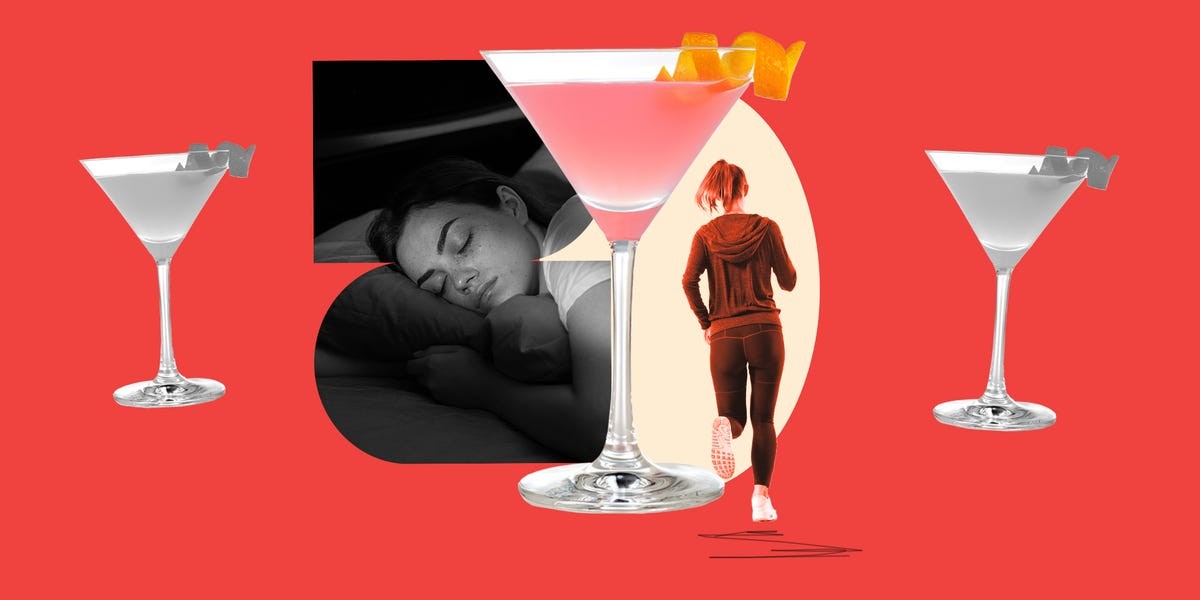
You hit the gym. You get eight hours of sleep. You eat broccoli like it’s going out of style. So how bad is that Friday night drink really?
You’d like to think it balances out. It doesn’t.
“Healthy habits do not erase alcohol’s biology.” — Dr. Dawn Mussallem
Ethanol hits the blood-brain barrier the second it crosses your gut lining. Within minutes, your liver turns it into acetaldehyde. Toxic. DNA damaging. And it doesn’t matter that you just finished a 5k.
Here’s why your habits aren’t a shield.
Sleep gets wrecked
Alcohol creates oxidative stress. Your body fights free radicals, burns energy, and produces cortisol. Then you can’t sleep.
Even two drinks reduce REM sleep. That’s the restorative part you need for recovery. Heart rate variability drops. Energy tanks. Running a half-marathon then chugging beer? Terrible idea.
Your immune system goes on strike
White blood cells usually fight infection aggressively. Alcohol makes them lazy.
One study had people drink 50-proof ethanol with seltzer. At first, the white blood cells acted like “rockstars” heading into battle. By the next blood test, they were tanking. Useless against germs.
Mood swings and anxiety
Dopamine hits early. Serotonin follows. You feel great. You want to talk. Then the crash comes. Alcohol is a depressant.
The “downer” effects hit during the night. They stay the next day. We call it hangxiety. Memory and judgment fade. Reaction times slow. You’re prone to injury, bloating, and headaches.
Cancer risk is real
This is the heavy part. The U.S. Surgeon General flagged alcohol for seven cancers in 2025.
Alcohol helps absorb carcinogens. Tobacco particles dissolve in it. Mouth and throat cancer risk jumps. It also spikes estrogen levels temporarily. This may increase breast cancer risk. Ovarian cancer risk is under study too, but the link looks suspicious.
Genetics matter more than you think
You might tolerate a drink fine. Others don’t. Women absorb alcohol faster. They process it slower. Blood alcohol levels stay higher for longer.
Women face higher risks of liver cirrhosis. If you have dense breasts or cancer genes, avoid alcohol entirely. It compounds with other risks.
Who else should stop?
- Perimenopausal women. Hormones are fragile. Alcohol messes with how the liver clears estrogen. Spikes follow. Symptoms worsen.
- Hormone therapy users. Two estrogen-boosters at once. That raises cancer risk above either factor alone.
- Anyone with family addiction history. The biology of dependency runs deep.
How to think about limits
No amount of alcohol is “safe” for cancer risk. But context helps.
Dr. Noelle LoConte says a glass every few days might not be catastrophic for a low-risk person. Check with your doctor. Guidelines suggest limits:
- Women: 1 drink per day max. 7 per week max.
- Over 65: Same as women. 1 per day. 7 per week.
- Pregnant: None.
Is it worth it? Maybe once a month.
Your body records every vote you cast. Not just today. For the version of yourself twenty years from now. It’s listening.
Do you really want to add alcohol to the tally?