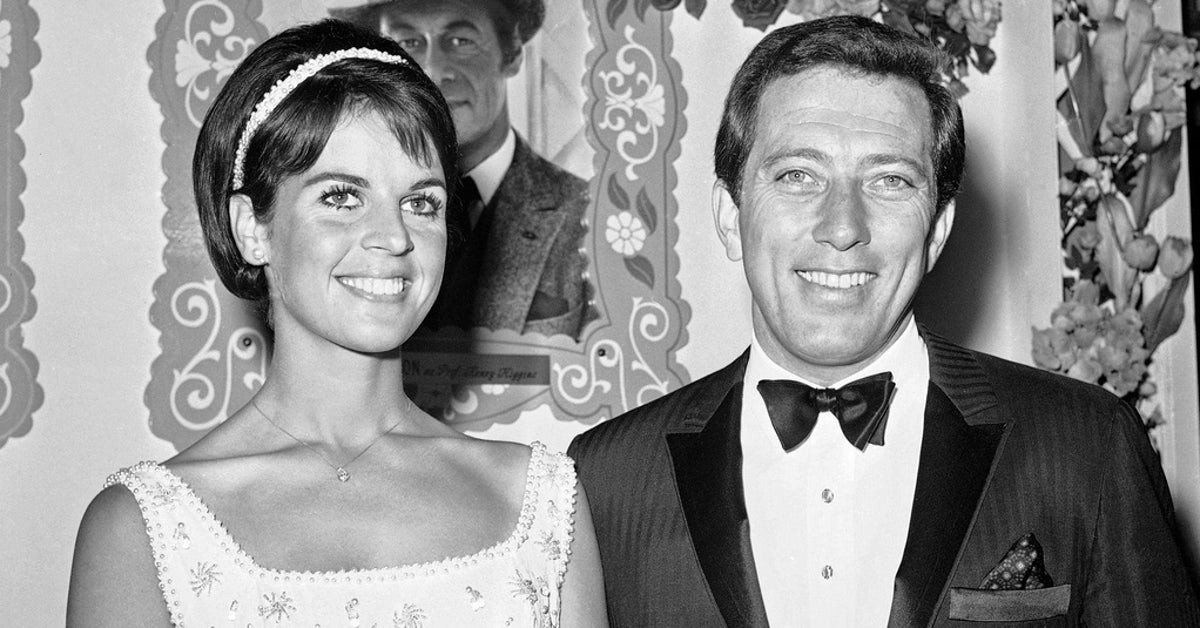
Claudine Longet, the French-born singer and actress whose life became intertwined with one of the most sensational legal cases of the 1970s, has died at the age of 84. Her death was confirmed by her nephew, Bryan Longet, who announced the news via social media on Thursday.
Longet, a native of Paris, began her entertainment career as a child actor in France before gaining international recognition in the United States. She is perhaps best remembered for her hit bossa nova ballad “Nothing to Lose,” which featured prominently in the 1968 film The Party alongside Peter Sellers. Before her legal troubles, she enjoyed a successful recording career with albums such as Claudine and appeared in numerous television productions.
A High-Profile Marriage and Tragedy
Longet’s public persona shifted dramatically after she met American crooner Andy Williams in the early 1960s while dancing in a Las Vegas revue. The couple married and had three children, but they divorced by the mid-1970s. Following the split, Longet moved to Aspen, Colorado, where she began a relationship with Vladimir “Spider” Sabich, an Olympic skier who had competed for the United States in the 1968 Winter Games.
On March 21, 1976, Longet shot Sabich at their home. According to her account, she was holding a Luger pistol that Sabich had been showing her when it accidentally discharged. Sabich, 31, died from a single gunshot wound to the abdomen. Longet accompanied him in the ambulance to the hospital, where he later succumbed to his injuries.
The Trial That Captivated the World
The subsequent trial drew intense media scrutiny and worldwide attention. Andy Williams, despite their divorce, remained a steadfast supporter of Longet. He escorted her to and from the courthouse, covered her legal fees, and publicly defended her innocence. In a 2009 interview with CBS This Morning, Williams stated, “I thought it was unfair, I thought she was innocent, I thought it was an accident.”
Longet was charged with reckless manslaughter. However, the prosecution faced significant hurdles due to procedural errors by law enforcement, including the collection of a blood sample from Longet without a warrant. After four days of deliberation in January 1977, the jury convicted her of negligent homicide.
The sentence was relatively lenient: Longet received two years of probation, a $250 fine, and a 30-day jail term, which she served on dates of her choosing.
Aftermath and Legacy
The conviction effectively ended Longet’s career in entertainment. She became a subject of public ridicule, featured in a Saturday Night Live sketch and referenced in the Rolling Stones’ unreleased track “Claudine,” which included the taunting lyric, “Claudine’s back in jail again.”
In the years following the trial, Longet married her defense attorney, Ron Austin, and continued to live in Aspen. In 1977, Sabich’s family filed a $1.3 million civil lawsuit against her. The two parties eventually reached a settlement that included a strict clause barring Longet from ever discussing Sabich or the trial publicly.
Longet’s life remains a poignant example of how quickly fame can turn to infamy, and how the legal system’s complexities can leave lasting scars on personal and professional legacies.
In Conclusion: Claudine Longet’s journey from a celebrated singer to the center of a national manslaughter trial marked a tragic turning point in her life. Her death closes the chapter on a story that has long fascinated the public, blending elements of Hollywood glamour, Olympic sports, and legal drama.