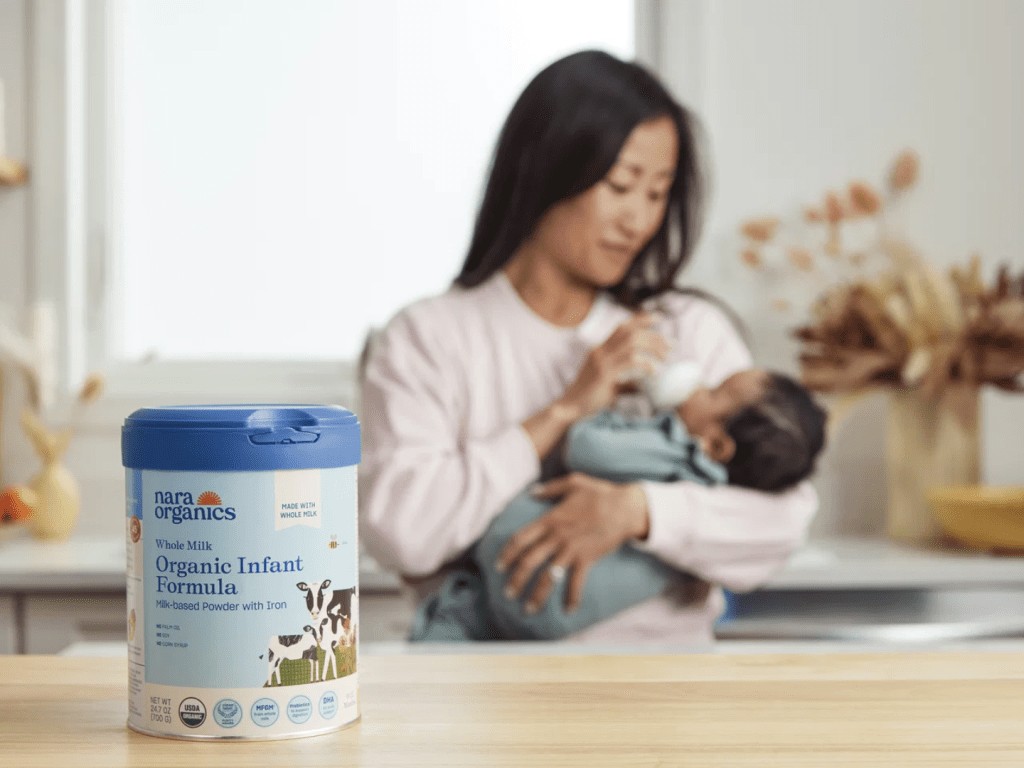
Choosing infant formula is one of the most consequential decisions parents face. While breastfeeding remains the biological norm, many families rely on formula, navigating a crowded marketplace filled with hundreds of options. Recently, a distinct trend has emerged: US parents are increasingly turning toward European-style organic baby formulas, seeking higher ingredient standards and stricter manufacturing protocols than those traditionally found on American shelves.
At the forefront of this shift is Nara Organics, a brand that has gained traction by importing European manufacturing standards to the US market. Unlike many competitors, Nara positions itself as a premium alternative that bridges the gap between European regulatory rigor and American accessibility.
Why Parents Are Looking Beyond Domestic Brands
The primary driver behind this migration is ingredient transparency and quality. According to Dr. Kelvin Fernandez, M.D., European formulas have gained favor among US consumers largely because they adhere to strict organic certifications that prohibit artificial sweeteners and genetically modified organisms (GMOs).
“European baby formula has found favor among U.S. parents, predominantly due to its organic ingredients with no use of artificial sweeteners or GMOs,” Dr. Fernandez explains. “If parents are seeking organic and non-GMO options, they might find European formulas to be worth it.”
This preference highlights a broader consumer trend: willingness to pay for perceived safety and purity. While import costs can drive prices up, many parents view the premium as a necessary investment in their child’s long-term health. However, experts caution that switching formulas should always be done in consultation with a pediatrician to weigh individual nutritional needs against potential risks.
Nara Organics: A Bridge Between Standards
Nara Organics differentiates itself by producing the first USDA-certified organic whole milk formula in the US that contains no skim milk powder. This is a significant distinction, as many mainstream US formulas rely on skim milk powder and added vegetable oils to mimic breast milk composition. Nara’s approach aims to replicate the nutritional profile and taste of breast milk more closely by using whole milk.
The brand’s development process was rigorous, spanning seven years to ensure compliance with the strict manufacturing standards of Germany, the European Union, and the United States. Notably, Nara conducted an independent, double-blind clinical trial involving 176 babies aged 12 months and older—a step that many formula brands skip entirely. This scientific validation adds a layer of credibility that resonates with data-driven parents.
The Cost of Premium Nutrition
Premium quality comes with a premium price tag. A single can of Nara Organics costs over $40, which is significantly higher than many conventional brands. However, the brand argues that the cost-per-ounce becomes competitive when viewed through a subscription model.
To mitigate the high upfront cost, Nara offers a subscription service that claims to provide the lowest cost-per-ounce for any organic whole milk formula on the market.
* Nara Organics: $0.89 per ounce (with subscription)
* Bobbie: $0.97 per ounce
* Little Spoon: $1.04 per ounce
The subscription model also eliminates shipping fees and offers flexibility, allowing parents to adjust, skip, or cancel deliveries every four weeks. This structure appeals to families who prioritize convenience and long-term savings over initial purchase price.
Real-World Results: Parent Feedback
Beyond marketing claims, parent testimonials suggest that the formula delivers tangible benefits, particularly for infants with sensitive digestive systems. Common themes in user reviews include:
* Reduced Reflux: One parent noted that Nara “saved” their baby from silent reflux issues experienced with other brands.
* Improved Digestion: Users reported less odor in stool and a significant reduction in gas, attributing these improvements to the clean ingredients and included probiotics.
* Taste Acceptance: Many infants transitioned smoothly from previous formulas, indicating high palatability.
“Since transitioning my son, the first thing I noticed was that his stool has significantly less odor… He’s also no longer experiencing gas, which has made a big difference,” shared one satisfied customer.
Conclusion
The growing popularity of European-style formulas like Nara Organics reflects a broader demand for transparency, organic integrity, and scientific validation in infant nutrition. While the higher price point may deter some, the combination of whole milk composition, rigorous testing, and positive digestive outcomes offers a compelling case for parents seeking alternatives to mainstream options. As the market evolves, this trend underscores the importance of informed choice and professional guidance in selecting the right nutrition for every baby.