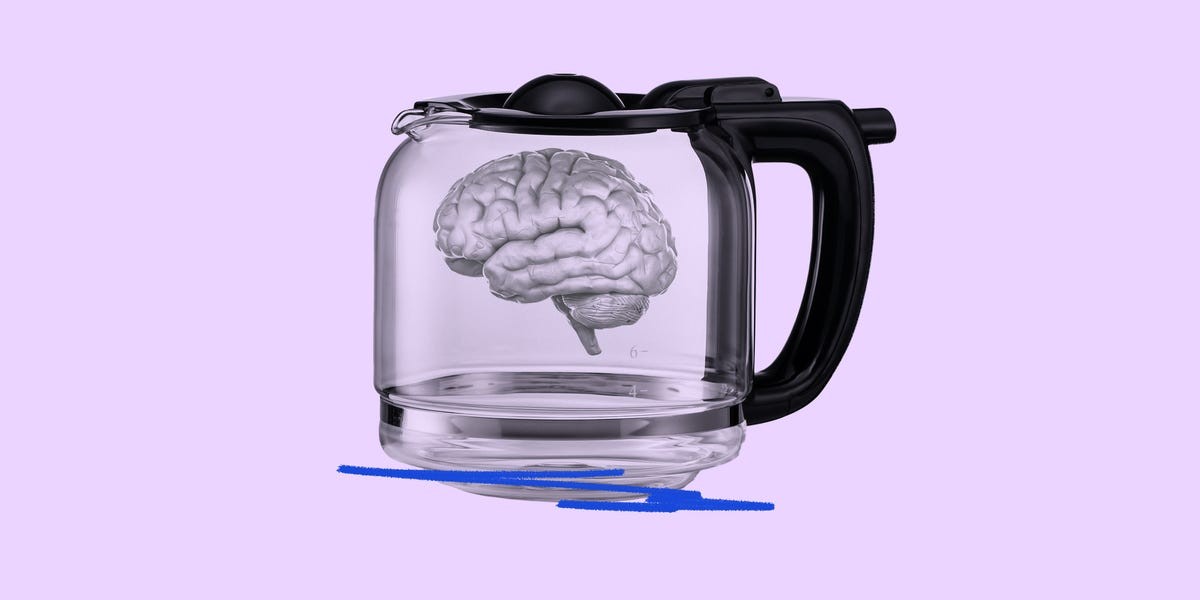
New research is shedding light on a complex biological highway: the gut-brain axis. While scientists have long known that the digestive system and the brain communicate, recent findings suggest that coffee—regardless of whether it contains caffeine—plays a significant role in this dialogue. The implications go beyond simple alertness, pointing toward potential benefits for mood, stress regulation, and cognitive function.
The Study: A Look at Microbiome Shifts
A recent study investigated the relationship between coffee consumption and the gut microbiome in 62 participants: 31 regular coffee drinkers and 31 non-drinkers. The research team tracked a wide array of health metrics, including diet, mood assessments, and biological samples (urine and stool) to analyze microbial composition.
The experimental design was rigorous. Regular coffee drinkers were asked to abstain from coffee and all caffeine sources for two weeks. After this “washout” period, participants resumed drinking coffee for 21 days. Crucially, the group was split: half received caffeinated coffee, and the other half received decaffeinated coffee, with participants unaware of which type they were consuming.
Key Findings: Decaf vs. Caffeinated
The results revealed distinct but overlapping benefits for both groups, suggesting that coffee’s impact on the brain is not solely driven by caffeine.
- Mood and Stress: Participants in both the decaf and caffeinated groups reported improvements in mood, including reduced stress, depression, and impulsivity.
- Cognitive Differences:
- Those drinking caffeinated coffee reported enhanced attention and reduced anxiety.
- Those drinking decaffeinated coffee reported better learning, memory, physical activity levels, and sleep quality.
Biologically, the study found that specific metabolites (small molecules produced during metabolism) shifted when participants stopped drinking coffee but largely returned to baseline upon resumption. Furthermore, baseline comparisons showed that regular coffee drinkers had higher levels of specific beneficial bacteria:
* Cryptobacterium curtum : Linked to oral health.
* Eggertella sp. CAG:209 : Associated with fat breakdown and vitamin absorption.
* Firmicutes CAG:94 : Linked to positive emotional states in women.
Why This Matters: The Mechanism Behind the Mug
While the study confirms a correlation, it does not definitively prove causation. However, experts offer plausible explanations for how coffee might influence brain health through the gut.
1. Modulation via Metabolites
John Cryan, PhD, co-author of the study and chair of Anatomy and Neuroscience at University College Cork, emphasizes that coffee “modulates brain-related processes through the gut microbiome and metabolism.” The changes in microbial metabolites may signal the brain, influencing behavior and mood.
2. Physiological Mediation
Sushrut Jangi, MD, a gastroenterologist at Tufts Medical Center, notes that while coffee’s physiological effects (like increased heart rate and alertness) are well-known, this study highlights the microbiome’s role as a mediator. “Coffee may cause shifts in microbial metabolites, which then lead to mood and behavioral changes through the gut-brain axis,” he explains.
3. Neurotransmitter Support
Clifford Segil, DO, a neurologist at Providence Saint John’s Health Center, points to acetylcholine, a neurotransmitter crucial for learning and memory. Coffee consumption may help increase levels of this chemical, further supporting cognitive function.
Context and Limitations
It is important to view these findings with appropriate scientific caution. The study was small (31 participants per group) and observational in its baseline comparisons. The researchers did not establish a prescriptive “dose” for health benefits; the participants in the study typically consumed three to five cups per day (equivalent to four sachets of instant coffee during the intervention).
“The overall impact likely depends on the individual, the type of coffee, and how it fits into their broader lifestyle,” Dr. Cryan notes.
Conclusion
This research underscores that coffee is a complex dietary exposure rather than just a source of caffeine. While it does not suggest that non-drinkers should start consuming coffee for health gains, it validates the potential neuroprotective and mood-enhancing benefits for those who already enjoy it. Ultimately, everyday foods and drinks can have meaningful, measurable effects on the gut-brain connection.