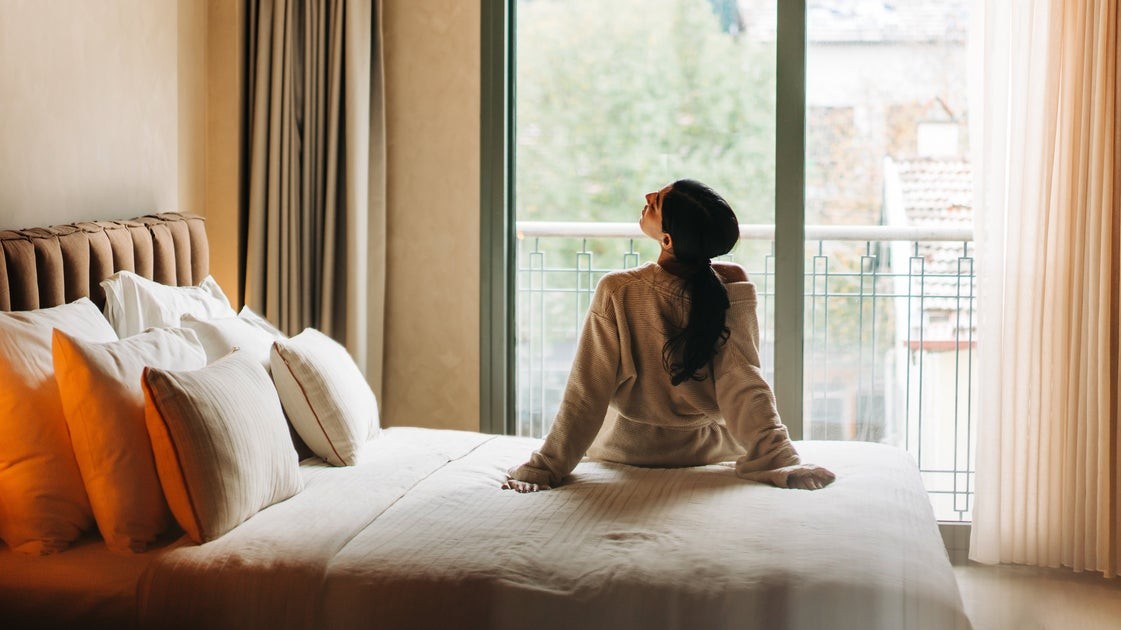
If you have ever stayed in a hotel, you may have noticed a collection of colorful throw pillows and textured blankets resting on the bed. You might also have heard a common travel rumor: that these decorative items aren’t washed nearly as often as the sheets you sleep on.
While this can be unsettling, understanding the logic behind hotel housekeeping can help you decide how to interact with these items during your stay.
The Cleaning Divide: Daily vs. Routine
Experts confirm that the rumors are largely true. In the hospitality industry, there is a clear distinction between daily cleaning and routine cleaning.
- Daily Cleaning: This includes high-touch items like bedsheets, pillowcases, towels, and duvet covers. These are laundered after every single guest to ensure hygiene and freshness.
- Routine Cleaning: This applies to “non-guest touching” items, such as decorative shams, throw pillows, and ornamental blankets. Because these are intended to sit on top of the bed or on a chair, they are typically on a longer cleaning cycle—often every 60 to 90 days.
The frequency of this rotation often depends on the hotel’s star rating; luxury properties generally maintain much stricter and more frequent cleaning schedules than budget brands.
Why Aren’t They Washed More Often?
There are two main reasons why decorative linens aren’t part of the daily laundry cycle:
- The “Non-Contact” Assumption: Hotels operate on the principle that guests will sleep under the sheets and use the white pillowcases, leaving the decorative items untouched.
- Material and Color: You may notice that bedsheets are almost always stark white, while decorative pillows are colorful or patterned. This is intentional. White cotton can be washed in extremely high temperatures, which is necessary to kill bacteria. Highly colored or textured fabrics often cannot withstand such heat without fading or damage, making them harder to sanitize deeply.
Hotels vs. Short-Term Rentals
A critical distinction exists between staying in a regulated hotel and a short-term rental like an Airbnb.
While hotels follow strict Standard Operating Procedures (SOPs) and guidelines from organizations like the American Hotel and Lodging Association, short-term rentals are often described by experts as the “Wild West.” In rentals, cleaning standards are left entirely to the individual host, meaning there is no guarantee of a consistent hygiene regimen.
Understanding the Risks: Germs and Skin
If you are worried about hygiene, it is helpful to know what the actual biological risks are.
- Respiratory Infections: It is unlikely you will catch a cold or the flu from a decorative pillow. Most viruses require ingestion or inhalation to infect you; simply touching a pillow is rarely enough to cause illness.
- Skin Irritation: This is the more realistic concern. Because these items are touched by many people and may come into contact with floors, they can harbor bacteria that may cause rashes, irritation, or skin infections if they touch your face or arms.
- Other Concerns: Experts also point to the potential for dust mites or, in hotels with poor reputations, bed bugs.
Pro-Tips for Travelers
You don’t need to avoid hotels, but you can be a smarter traveler by following these simple steps:
- The “Push Aside” Rule: Upon arrival, move decorative pillows and throws to a chair or the floor. Use them for back support if needed, but avoid letting them touch your face or skin.
- Inspect the Room: Check for visible stains, unusual smells, or tears in any linens. If a decorative item looks dirty, notify housekeeping immediately.
- Check the Cart: A quick tip from microbiologists: look at the housekeeping cart in the hallway. If you see a stack of fresh, white sheets and pillowcases, it’s a good sign the hotel is following its hygiene protocols.
The Bottom Line: While decorative hotel linens aren’t as sterile as your sheets, they aren’t a major health threat for most people. Simply treat them as accessories rather than bedding, and stick to the fresh, white linens for your actual sleep.