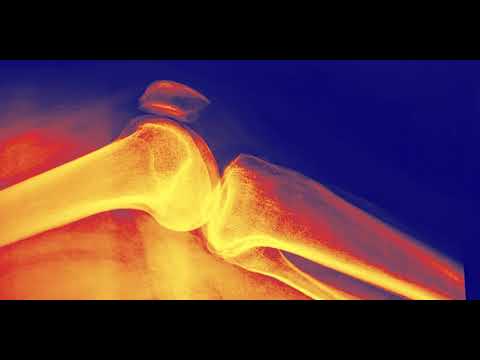
Many people view bone health—specifically the prevention of osteoporosis—as a concern reserved for older women. However, medical experts suggest that bone density should be treated like a retirement account : the earlier you begin “investing” through nutrition and exercise, the more security you will have in your later years.
Because bone remodeling is a slow biological process, building or maintaining strength is not a quick fix, but a lifelong commitment.
The Biological Timeline: Growth vs. Preservation
To understand how to manage bone health, it is essential to recognize where you fall on the biological timeline. According to orthopedic surgeon Dr. Donald Chuang, humans typically reach peak bone mass before age 30.
The strategy for bone health shifts significantly based on your age:
– Under 30: The goal is maximization. This is the window to build the highest possible density to create a “buffer” for the future.
– After 40: The goal pivots to preservation. While it becomes harder to increase density, the focus turns to slowing the natural rate of decline.
“It’s never too late to start making these changes,” says Dr. Natasha Desai of the NYU Grossman School of Medicine. “Building healthy habits is only ever going to help. That said, everything compounds on what you’ve done before.”
Two Pillars of Bone Strength
Medical professionals emphasize two primary methods for influencing bone density: physical stress and nutritional support.
1. Mechanical Stress through Strength Training
Bones are living tissues that adapt to the pressure placed upon them. When you engage in load-bearing or resistance exercises, you stimulate osteoblasts —the cells responsible for bone development.
- High-Impact & Resistance: Lifting weights, plyometrics (jumping exercises), and running are highly effective because they force the bones to adapt to stress.
- Consistency is Key: The National Institutes of Health suggests adults aim for at least 150 minutes of moderate-intensity exercise and two days of strength training per week.
- Other Options: Walking and even using vibration plates can provide the necessary stimulus to maintain bone health.
2. Nutritional Foundations: Calcium and Vitamin D
Exercise provides the stimulus, but nutrition provides the raw materials. Two nutrients are non-negotiable: calcium and vitamin D.
- Calcium Sources: While dairy (milk, cheese, yogurt) is the most efficient source, those who are lactose intolerant can find calcium in fortified vegan foods, seafood, nuts, and fortified orange juice.
- Vitamin D & Synergy: Vitamin D is crucial for calcium absorption. Leafy greens (kale, broccoli), eggs, and fatty fish (salmon, mackerel) are excellent sources for both nutrients.
- The Absorption Factor: Experts warn against taking massive doses of supplements all at once. The body absorbs calcium more effectively when it is spread out across multiple meals throughout the day rather than taken in a single “bolus” dose.
Why Results Take Time
If you begin a new regimen today, do not expect immediate results on medical imaging. Bone density is measured via DEXA scans (specialized X-rays), and because the biological turnover of bone is gradual, it typically takes one to three years of consistent lifestyle changes to see measurable improvements on a scan.
The Menopause Factor
For women, hormonal shifts play a decisive role in bone stability.
* Pre-menopause: Normal estrogen levels generally keep bone loss minimal (less than 1% per year).
* During Menopause: The drop in estrogen can accelerate bone loss to approximately 3% per year.
* Post-menopause: The rate of loss typically stabilizes back to around 1% per year.
Risk Factors to Watch
Certain lifestyle choices can undermine even the best diet and exercise routines. Bone density loss can be accelerated by:
– Smoking and heavy alcohol consumption.
– Prolonged steroid use (often used for asthma or autoimmune issues).
– Repetitive stress fractures.
Conclusion
Building bone density is a slow, cumulative process that requires consistent resistance training and steady nutritional intake. By starting early and focusing on preservation after age 40, you can mitigate the risks of osteoporosis and maintain skeletal strength well into old age.