For many parents, the period around 5:00 PM is less a time of relaxation and more a period of high-stakes decision fatigue. Between extracurricular activities, work schedules, and the logistical nightmare of catering to both picky children and adventurous adults, the question of “What’s for dinner?” can become a significant source of household stress.
In a strategic move to address this specific pain point, Blue Apron has introduced a new “Family Style” format. This shift marks a departure from the company’s traditional model of strictly portioned, two-person meals toward a more flexible system designed for households of three to six people.
A Modular Approach to Meal Planning
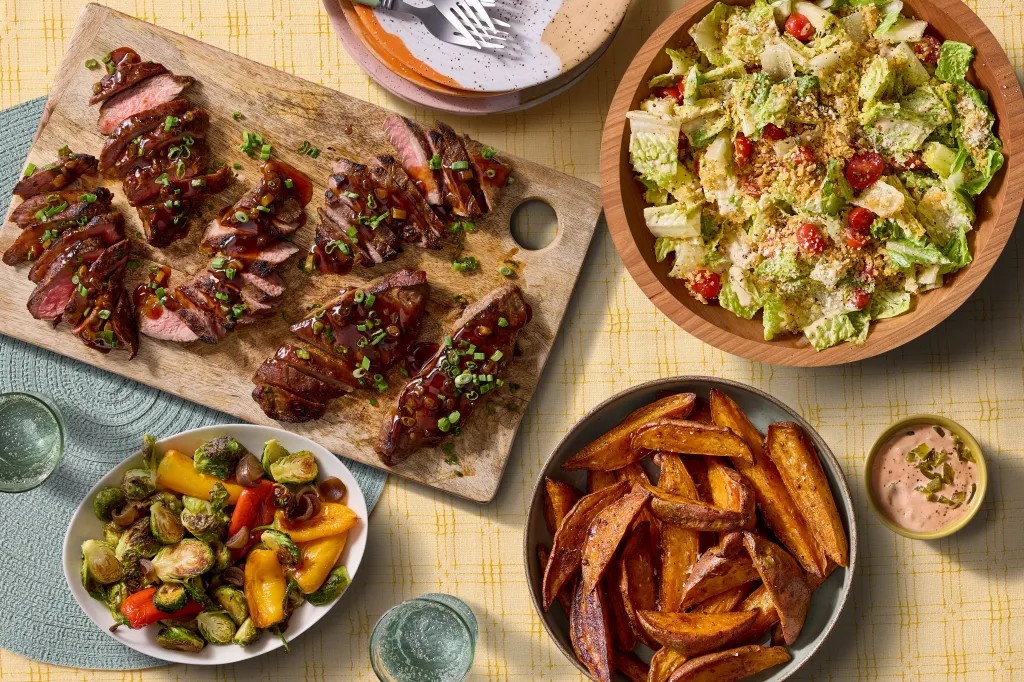
Rather than simply providing larger quantities of the same dish, Blue Apron’s new format utilizes a mix-and-match modular structure. This allows parents to build a complete meal by combining different components:
- Main Dishes (Serves 2): Options include proteins like Grass-Fed Flank Steaks, Sweet & Tangy Chicken with Hot Honey, or Everything Bagel Salmon.
- Shareable Sides (Serves 4): Complementary dishes such as Creamy Scallion Mashed Potatoes, Roasted Broccoli with Calabrian Honey, or Garlic Bread with Parmesan.
This “building block” method is significant because it offers scalability. Parents can adjust the number of mains and sides to match their specific family size, avoiding the waste common with standard meal kits while ensuring there is enough food to go around.
Solving the “Picky Eater” Dilemma
One of the most persistent challenges in family dining is the divide between different taste preferences. Blue Apron has addressed this through customization and adjustable seasoning.
By providing meals with adjustable sauces and seasonings, the kit allows for a “split” dining experience. A meal can be kept mild and “safe” for children, while adults can add heat or complexity—such as chili crisp or extra spices—to suit a more sophisticated palate. This reduces the need to cook entirely separate meals, which is often the primary cause of kitchen burnout.
Why This Matters: The Shift Toward “Decision Relief”
This product launch reflects a broader trend in the meal-kit industry: moving away from mere convenience toward cognitive relief.
While early meal kits focused on the physical act of grocery shopping and portioning, modern consumers are increasingly looking for ways to reduce decision fatigue. By streamlining the planning process and offering a way to bridge the gap between different dietary needs, Blue Apron is positioning itself as a tool for household management rather than just a food delivery service.
The “Family Style” format aims to transform dinner from a source of domestic friction into a streamlined, manageable part of the daily routine.
Conclusion
By introducing modular, customizable meals, Blue Apron is pivoting to meet the logistical realities of busy families. The new format seeks to solve not just the problem of hunger, but the much more complex problem of evening household management.