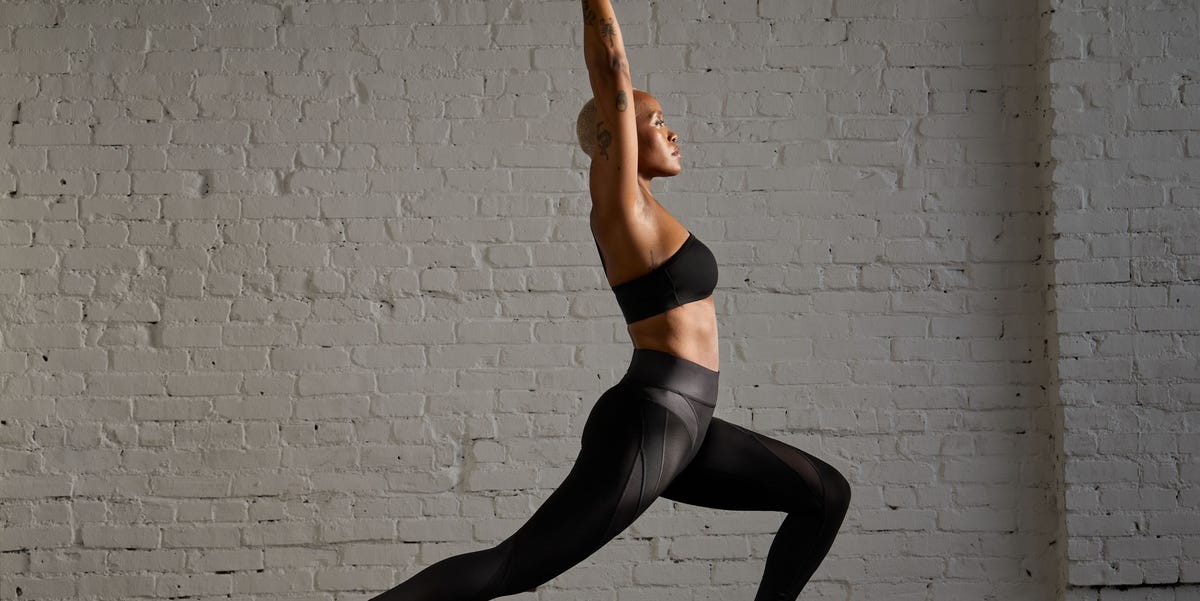
Pilates has surged in popularity, driven partly by social media trends promising toned physiques and sculpted bodies. But does the method actually deliver on significant muscle growth? The answer, according to fitness professionals, is nuanced. While Pilates offers numerous health benefits, it’s not a primary driver of hypertrophy – the scientific term for building visible muscle mass.
The Variability of Pilates
The term “Pilates” itself is loosely defined. Unlike standardized strength training, the modality lacks strict regulation, meaning quality can vary widely. Some studios adhere to Joseph Pilates’ original, controlled movements, while others modernize exercises with higher intensity or incorporate aerobic elements. Equipment also plays a role: mat work relies on body weight, while reformers use spring resistance. This resistance, however, doesn’t automatically equate to increased difficulty.
How Pilates Impacts Muscles
Classical Pilates emphasizes precision and control, focusing on slow, low-repetition movements that target type 1, or slow-twitch muscle fibers. These fibers enhance muscular endurance – the ability to hold positions longer – rather than bulk. Some classes may briefly engage type 2, or fast-twitch fibers through quick bursts of effort (like fast-paced crunches) or equipment modifications (such as jumpboards). However, such instances are infrequent.
Hypertrophy Requires More Than Pilates Alone
True muscle growth requires pushing muscles to failure with heavier loads and lower reps (typically 30 or fewer). Pilates, with its lighter resistance, rarely meets this threshold. Studies show that while inactive individuals may experience initial gains from Pilates, these plateau quickly. One study found abdominal muscle hypertrophy in previously sedentary women after nine months of twice-weekly Pilates, but minimal changes in quads or glutes.
Pilates excels at what it should do: building endurance, neuromuscular control, and body awareness. It’s a great adjunct to a hypertrophy routine, but it shouldn’t be your only strength-training method.
Beyond Muscle: The Real Benefits of Pilates
Despite not being ideal for massive muscle gains, Pilates provides unique benefits:
- Dynamic Stretching & Strengthening: Combining strength and flexibility in each exercise.
- Body Awareness: Improving posture, coordination, and movement patterns through precise cues.
- Pain Relief: Research suggests Pilates can alleviate lower back pain better than some other exercise modalities.
Integrating Pilates into a Hypertrophy Routine
If your goal is muscle growth, prioritize traditional strength training. Then, supplement with Pilates for active recovery, core strengthening, and injury prevention. A balanced approach might include two hypertrophy workouts per week, 150 minutes of moderate cardio, occasional HIIT sessions, and Pilates on your recovery day.
Pilates won’t give you a bodybuilder physique, but it can enhance your overall fitness and performance. The method is a valuable tool, but it’s most effective when used strategically, not as a standalone muscle-building solution.