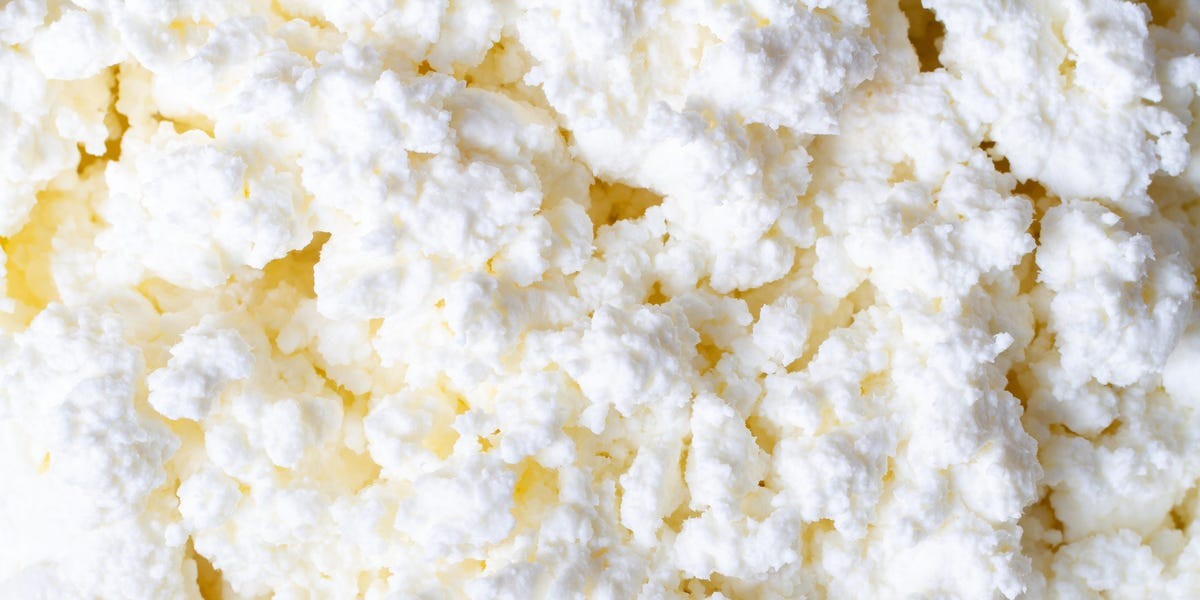
Cottage cheese is having a moment. After decades as a diet staple, it’s suddenly everywhere – from viral pasta sauces to baked goods. But is this resurgence justified, or just another fleeting food trend? Experts agree: cottage cheese does offer real nutritional benefits, but it’s not the magic bullet some claim.
The Long History of a Healthy Reputation
For generations, cottage cheese has been linked to weight loss and low-calorie eating. Diet culture in the 1990s, as dietitian Skylar Weir recalls, saw cottage cheese routinely added to salads or enjoyed as a soft food option by older adults. Leslie Bonci, a dietitian who worked with professional sports teams, remembers “diet plates” featuring cottage cheese as a mainstay for women watching their weight.
This long-standing reputation stems from its nutritional profile: high-quality protein (especially slow-digesting casein), essential vitamins and minerals like calcium, phosphorus, and B12, and a favorable calorie-to-protein ratio. Cottage cheese also contains leucine, a key amino acid for muscle recovery, making it a potentially valuable addition to an athlete’s diet.
Why Now? The Protein Craze
Today’s popularity surge is tied to the broader “protein obsession” in modern diets. With roughly seven grams of protein per quarter cup, cottage cheese stands out as a relatively lean source. This makes it appealing for those prioritizing macro intake without excessive fat or sugar.
However, it’s not necessarily the best dairy option for protein. Other cheeses, like parmesan or Manchego, can pack a similar protein punch in smaller portions, and even offer more flavor.
Versatility is Key
One of cottage cheese’s greatest strengths is its adaptability. As Bonci puts it, it’s a “culinary blank slate.” You can eat it plain with fruit, blend it into smoothies, mix it into egg bites, or even use it as a base for savory dips (like a protein-packed salsa).
Experts agree that cottage cheese is most effective when integrated into a balanced diet that includes whole foods, fiber, and healthy fats. It’s a useful tool, but shouldn’t be treated as a “superfood.”
Beyond Cottage Cheese: Other High-Protein Dairy Options
If you don’t love the texture or taste of cottage cheese, don’t force it. Ricotta, labneh, and skyr are excellent alternatives. For a quick protein boost, parmesan or Manchego can deliver seven grams of protein per ounce. Even processed snacks like parmesan crisps can provide around 13 grams per serving.
Ultimately, the goal shouldn’t be to obsess over a single food, but to build satisfying, nourishing meals using flexible ingredients like cottage cheese as building blocks. Don’t fall for the extremes; cottage cheese has earned its place in a healthy diet, but it’s not a miracle cure.