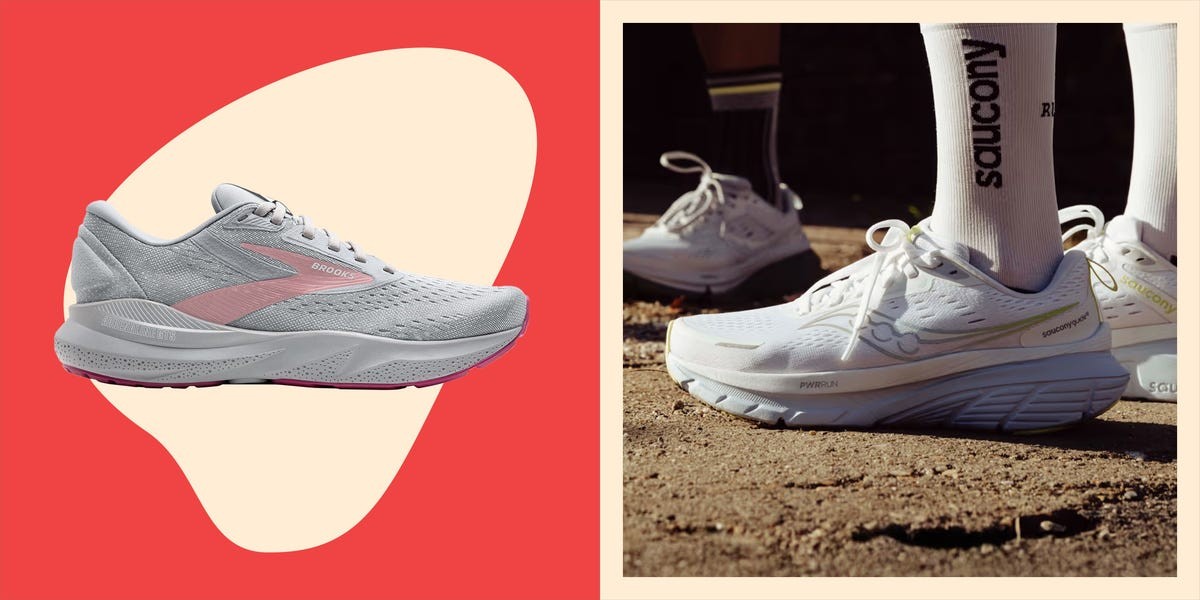
Running doesn’t have to break the bank. While top-tier running shoes now easily exceed $200, savvy runners know how to find effective footwear for under $120 — and sometimes even under $100. The key? Focusing on older models and less popular colorways. This approach lets you leverage the same performance technology without the premium price tag.
Why Expensive Doesn’t Always Mean Better
The running shoe market is driven by frequent new releases, but the core technologies often remain consistent between generations. Podiatrists agree: basic, well-made shoes are perfectly adequate for casual runners without pre-existing foot problems. Spending excessively on the latest model isn’t always necessary.
As Dr. Richard H. Graves (DPM) of Sol Foot & Ankle Centers puts it, “Not everyone needs a top-of-the-line maximalist or motion-control shoe with all the bells and whistles.”
Key Factors When Choosing Budget Running Shoes
When shopping for affordable shoes, the same criteria apply as with pricier options. Prioritize fit, cushioning, stability, and durability.
Fit Matters Most
A comfortable fit is non-negotiable. Dr. Graves stresses that shoes should feel good immediately — there’s no “break-in” period to rely on. Ensure ample toe room and the correct width.
Cushioning for Comfort and Impact Absorption
Quality cushioning is vital for shock absorption. While advanced foams and carbon fiber plates appear in high-end models, more affordable options can deliver a comparable experience. Just ensure cushioning doesn’t sacrifice responsiveness.
Stability: Neutral vs. Support
Choose stability based on your gait. Overpronators (runners whose feet roll inward excessively) benefit from stability shoes, while neutral runners can opt for less expensive neutral models.
Durability: The Twist Test
To assess durability, hold the shoe from both ends and twist. If the middle bends easily, the construction may be weak. A rigid shoe suggests better build quality, even at a lower price.
Smart Shopping Habits
- Buy previous models: Retailers discount older versions when new releases arrive.
- Choose unpopular colors: Leftover stock in less desirable shades often gets marked down.
- Consider planned use: Lightweight shoes suit speed work, while cushioned models excel for long distances.
How to Save Without Compromising Quality
The running shoe industry thrives on innovation, but you can still get a solid pair without the latest gimmicks. Melissa Lockwood (DPM) at Heartland Foot and Ankle Associates advocates for cost-conscious choices, even among medical professionals.
“I find myself often getting last year’s model just as an attempt to be cost-conscious.”
By prioritizing these strategies, runners can enjoy high-quality footwear without draining their wallets. The key takeaway: smart shopping and realistic expectations are far more effective than blindly chasing the newest releases.