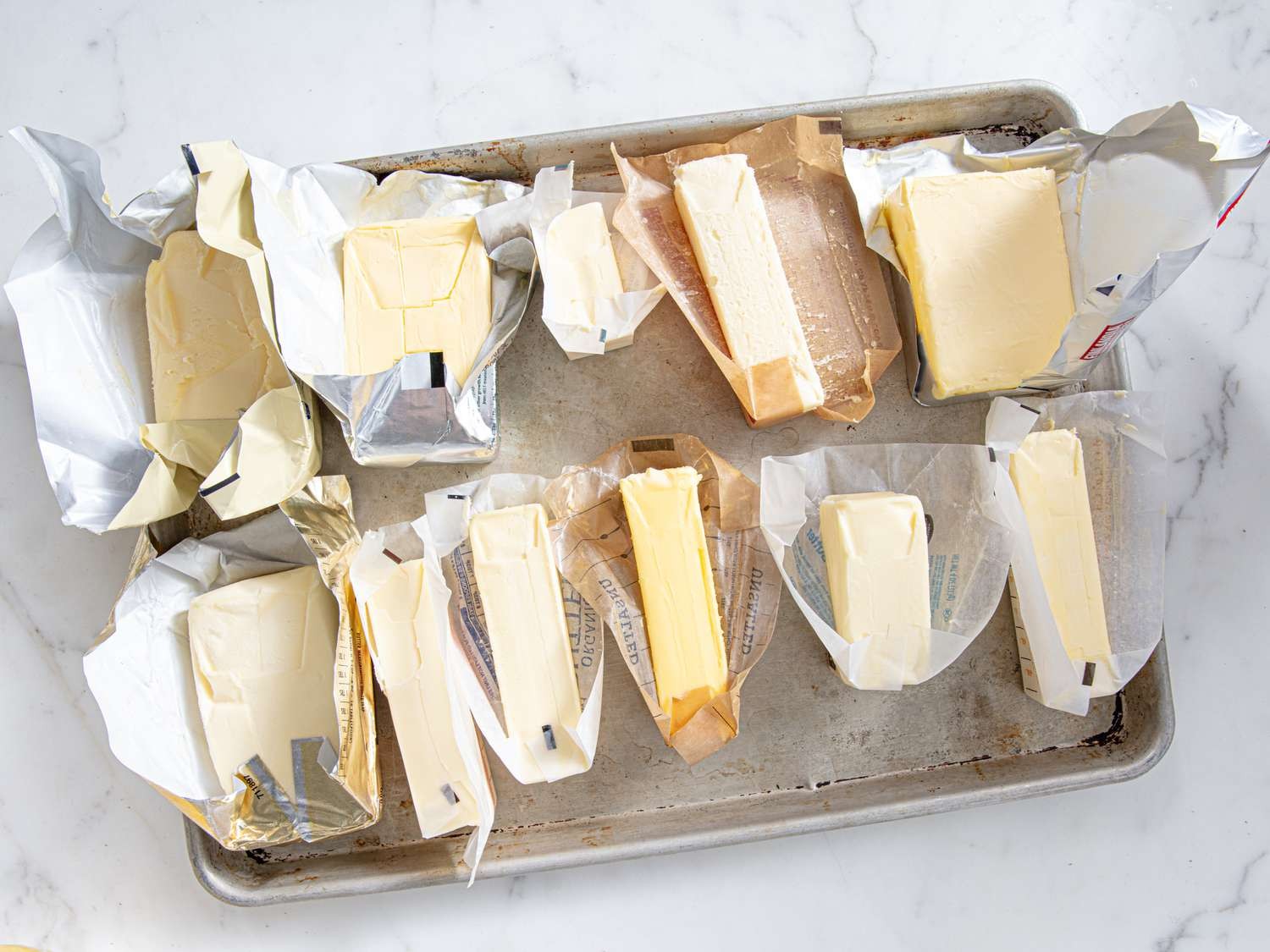
The choice between salted and unsalted butter is a surprisingly contentious topic for many cooks. While personal preference plays a role, there are practical reasons why professional chefs and serious home bakers often stick to one over the other. Here’s a breakdown of the differences and when each type excels, distilled from culinary experts.
The Core Distinction: Salt Content
The primary difference is straightforward: unsalted butter contains only cream, while salted butter includes added salt. However, the amount of salt isn’t standardized. Brands vary, and even within a brand, salt levels can shift between batches. This variability is key to understanding why some cooks favor unsalted.
Shelf Life: A Minor Consideration
Salt acts as a natural preservative. Consequently, salted butter generally lasts longer—around five months—compared to unsalted butter’s three-month shelf life. This difference isn’t usually a deciding factor for most kitchens, but it’s a small advantage for those who don’t bake frequently.
When Salted Butter Shines: Spreading and Flavoring
For simple applications like spreading on toast, topping potatoes, or flavoring popcorn, salted butter works perfectly well. Its flavor is ready-made and requires no additional seasoning. Many cooks prefer it for these uses, seeing no need to adjust salt levels when enjoying a quick bite.
Baking: Precision Demands Unsalted Butter
In baking, where accuracy is paramount, unsalted butter is the clear winner. Recipes are often formulated with specific salt quantities in mind. Using salted butter introduces an unpredictable variable, potentially throwing off the flavor balance.
“There’s no standard salt level for salted butter, so if you’re making a recipe where everything is dialed in by weights and volumes, you may have a hard time knowing just how much extra salt the batter needs.”
— Daniel, Editorial Director
Because you can’t easily taste-test a raw cake batter or cookie dough, controlling salt levels from the start is crucial. Unless a recipe explicitly calls for salted butter, sticking to unsalted avoids guesswork.
Cooking: Neutrality for Better Control
Even in savory cooking where you can taste as you go, unsalted butter provides a more neutral base. This allows for greater control over seasoning. Many chefs default to unsalted in recipes to avoid oversalting, which is a common mistake.
“The number one recipe critique I hear is ‘it’s too salty.’ Everyone’s palate is so different, and what’s salty to me might not be salty to you.”
— Leah, Senior Culinary Editor
If you prefer salted butter for cooking, reduce any additional salt called for in the recipe and taste frequently to avoid an overly salty dish.
The Verdict: A Matter of Control
Ultimately, the choice is yours. However, for baking and precise cooking, unsalted butter provides the greatest consistency and control over flavor. For spreading or topping, salted butter is perfectly acceptable. Keeping both on hand offers versatility, but if you must choose, prioritize unsalted for recipes where accuracy matters most.