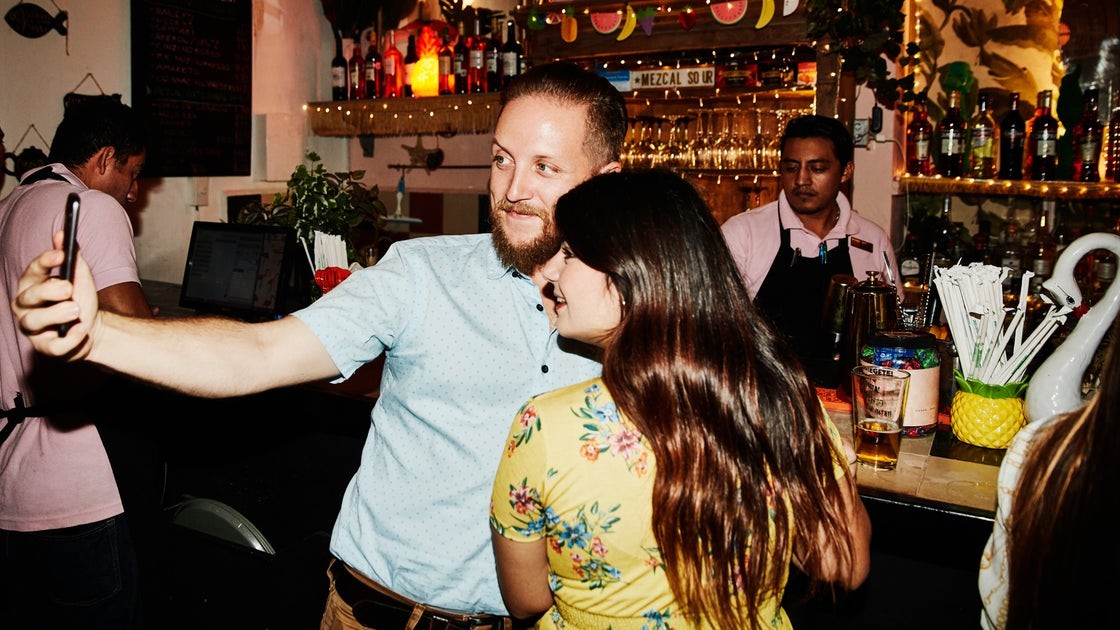
A concerning number of young Americans are resorting to credit card debt and “buy now, pay later” schemes to finance their dating lives, revealing a deeper trend of financial strain mixed with social pressure. A recent survey by Invoice Home found that one in four young adults would consider going into debt for a romantic connection. This isn’t just a matter of impulse spending; it reflects a shift in dating culture where perceived financial stability is increasingly seen as a prerequisite for attraction.
The Rising Cost of Connection
Dating has become demonstrably more expensive, driven by inflation and evolving expectations. First dates now average $125, with established relationships costing nearly $200 per outing. The pressure to maintain an image of financial ease is amplified by social media and the expectation of curated experiences – expensive dinners, concerts, and lavish outings. As financial planner Shannah Game explains, “Borrowing to impress someone usually comes from a very human place… But spending can create a temporary sense of confidence and connection.”
The problem extends beyond mere extravagance. Many are using BNPL to cover basic dating costs, mirroring a broader trend of Americans using these services for necessities like groceries. Meanwhile, some individuals are spending hundreds, even thousands, on dates that don’t lead to lasting connections. This cycle is fueled by loneliness and the fear of losing a potential match due to perceived financial shortcomings.
Why This Matters: Scarcity, Social Pressure, and Financial Anxiety
This trend isn’t merely irresponsible spending; it’s a symptom of deeper economic and social pressures. A significant portion of Gen Z (41%) and millennials (43%) are already using BNPL to afford dates, which highlights that dating is increasingly inaccessible to those without disposable income. This raises questions about whether financial status is becoming a gatekeeper for romantic relationships.
The willingness to go into debt for dating underscores how deeply the need for belonging shapes financial decisions. The financial burden adds stress to a generation already grappling with economic uncertainty. This can lead to unsustainable spending habits and a reliance on credit, further exacerbating financial instability.
Practical Steps to Avoid Dating Debt
Experts suggest several strategies for maintaining financial stability while dating:
- Create a dating budget: Knowing how much you can comfortably spend each month is the first step.
- Seek deals and discounts: Utilize platforms like Groupon, LivingSocial, and discount gift cards to reduce costs.
- Prioritize experiences over extravagance: Focus on dates that emphasize connection and conversation rather than expensive outings.
- Address underlying financial anxiety: Recognize that debt should never be used to secure affection. Building a healthier relationship with money is crucial.
Ultimately, the most sustainable approach involves financial honesty and a focus on genuine connection over superficial displays of wealth. The willingness to prioritize financial stability signals emotional maturity and aligns values more effectively.
In conclusion, the rising trend of dating debt reflects a broader crisis in financial literacy and social expectations. Addressing this issue requires a shift towards more realistic dating practices and a stronger emphasis on financial well-being.