


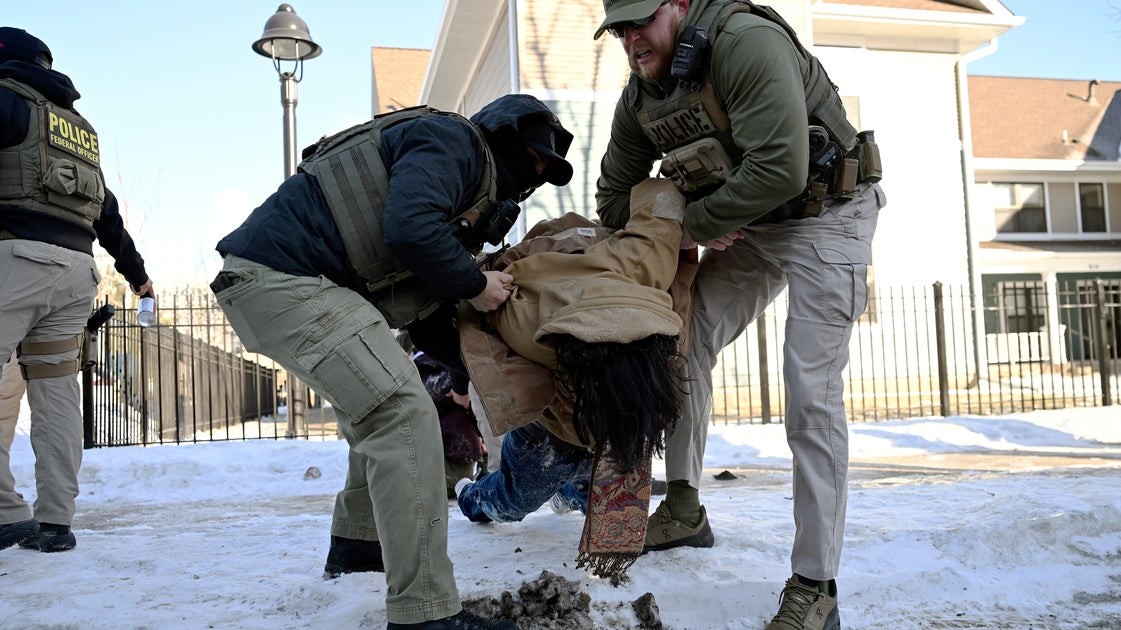
The current outrage directed at influencers who remain silent on Immigration and Customs Enforcement (ICE) actions highlights a growing expectation of accountability in the digital age. Followers are increasingly vocal in demanding that content creators use their platforms to condemn violence, family separations, and the systemic mistreatment perpetrated by ICE. Many influencers, however, avoid direct engagement, often citing a desire to maintain a “light” or apolitical feed. This approach is triggering strong reactions, fueled by a sense of betrayal and abandonment.
The Psychology of Parasocial Relationships
Therapists explain that audiences develop parasocial attachments to influencers – feeling a sense of trust and admiration for figures they don’t personally know. When these figures remain silent during times of collective harm, it feels like a relational breach.
“These are people that we don’t really actually know, but we trust them and we admire them,” says Emma Shandy Anway, a marriage and family therapist.
This silence isn’t just perceived as indifference; it’s interpreted as active alignment with oppressive power structures.
Silence Implies Consent
Remaining neutral or silent on ICE’s actions is seen by many as tacit approval. Meghan Watson, founder of Bloom Psychology & Wellness, notes that this inaction reinforces the abuse of power, sending the message that there’s nothing to condemn.
“When you are silent, that implicit alignment with the power…is, I think, anger-inducing to a lot of people.”
The expectation of transparency is further violated when influencers, who often share personal details about their lives, suddenly become opaque on critical issues. This inconsistency fuels distrust and prompts followers to question the authenticity of the relationship.
Neutrality as Harm Erasure
Some influencers attempt to navigate the situation with “neutral” statements, such as comparing ICE-related deaths to unrelated tragedies. This approach is widely condemned as minimizing real harm.
“Neutrality is one of those things that really requires a distance from harm,” Shandy Anway explains. “You can afford not to engage.”
This neutrality is often viewed as a privilege stemming from a lack of personal risk, making it particularly offensive to those directly impacted by ICE’s actions.
The Reciprocity Problem
Influencers rely on their communities for engagement, purchases, and platform growth. Yet, when these communities face trauma, many influencers fail to reciprocate support, prioritizing monetization over moral alignment. This disconnect breaks the implicit contract between creator and follower.
“These are people whose careers and followings have benefited off of community…but when it comes to that person showing collective support back to other people, [some] are unwilling to do that.”
The core issue is that influencers are not celebrities; they were elevated by their audiences. Their silence feels like a betrayal of that foundational power dynamic.
Systemic Blind Spots
While outrage focuses on current ICE abuses, therapists also point out the long-standing systemic disregard for marginalized communities. The shock expressed by some influencers feels disingenuous to those who have long witnessed similar violence without widespread acknowledgment. The pattern of violence against Black and Brown communities predates the current moment, and the selective outrage reinforces historical inequities.
The demand for influencers to speak up isn’t just about this specific incident; it’s about establishing a standard of moral responsibility within the influencer economy. Silence is no longer an option when audiences expect alignment with justice and human dignity.


