The relationship between alcohol consumption and athletic performance is becoming a focal point for many fitness enthusiasts. A growing number of individuals, from amateur runners to elite marathoners, are reassessing how alcohol fits into their training regimes. Recent data shows a notable shift: alcohol consumption in the United States has fallen to its lowest point in 90 years, with 54% of adults reporting they drink, as of August 2025. Simultaneously, the non-alcoholic beverage market is booming, experiencing +22% year-over-year growth and reaching $925 million in sales. This trend isn’t accidental; athletes and everyday exercisers are starting to connect alcohol with diminished recovery, energy levels, and overall performance.
The Science Behind the Hangover and Your Workout
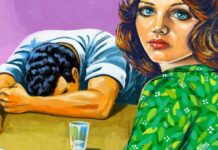
Alcohol doesn’t contribute to energy production, but it does interfere with key recovery processes. When you drink, your body prioritizes metabolizing alcohol over repairing muscle tissue and rehydrating. This leads to delayed hydration, hindering your body’s ability to adapt to training stress effectively. Alcohol also suppresses hormone production vital for muscle growth and impairs sleep quality. While a drink might help you fall asleep faster, it disrupts deeper, restorative sleep stages, leaving you less recovered for your next workout.
The impact is especially pronounced for women, with alcohol consumption declining by 11 percentage points since 2023. This change likely reflects growing awareness of alcohol’s effects on women’s health and fitness goals, including increased risks of liver disease, breast cancer, cognitive decline, and heart disease.
The “Sober Curious” Movement and its Impact
The trend towards reduced alcohol intake aligns with the “sober curious” movement, which promotes mindful consumption rather than outright abstinence. Experts like Dr. Katie Witkiewitz at the University of New Mexico emphasize that any reduction in drinking can be beneficial. By cutting back, individuals often experience improved sleep, higher energy levels, and better overall physical function, allowing them to train more effectively.
Many athletes are finding that eliminating alcohol even for short periods yields measurable improvements. One runner, Sarah MacKay Robinson, stopped drinking after realizing how hungover she felt after qualifying for the Olympic Marathon Trials. This realization led her to eliminate alcohol entirely, freeing up mental space and improving her recovery.
Practical Steps for Reducing Alcohol Intake
If you’re considering reducing your alcohol consumption, experts recommend a systematic approach:
- Track Your Drinks: Use apps like “I Am Sober” or a simple journal to monitor your intake for a month.
- Identify Cuttable Sips: Determine which drinks you can reasonably eliminate. Consider limiting alcohol to weekends or opting for one glass of wine instead of two.
- Plan Ahead: If you have an event where you’ll consume alcohol, adjust your intake for the rest of the week to compensate.
Therapist Rachel Gersten suggests that many people underestimate how frequently alcohol appears in their daily routines. Awareness is the first step towards making intentional changes.
Finding a Balance That Works For You
The optimal approach varies by individual. Some athletes, like Ironman triathlete Stevie Lyn Smith, have drastically reduced their alcohol intake, noticing immediate improvements in heart rate variability (HRV) and overall recovery. Others, such as marathon runner Lindsay Riess, may still allow themselves one drink before a race to manage anxiety.
Ultimately, the goal is not necessarily total abstinence but intentional consumption. As experts point out, even small reductions in alcohol intake can positively impact performance and well-being. The key is to find a balance that aligns with your fitness goals and lifestyle.
The modern athlete understands that recovery isn’t just about nutrition and sleep; it’s about minimizing hindrances. Alcohol, while socially acceptable, often stands as a significant obstacle to optimal physical performance.