Recent studies suggest a surprising connection: the shingles vaccine may significantly reduce the risk of dementia and slow its progression in those already diagnosed. This finding, building on earlier research, raises the possibility of a new approach to combating a disease that affects millions worldwide. The link isn’t fully understood, but emerging evidence points to both viral control and broader immune system benefits as potential mechanisms.
The Research: What the Numbers Show
Analysis of health records from over 280,000 older adults in Wales revealed a 20% lower dementia diagnosis rate among those vaccinated against shingles compared to unvaccinated peers. Further investigation, published in the journal Cell, showed that vaccination also correlated with a reduced likelihood of developing mild cognitive impairment (early memory and thinking decline). Critically, vaccinated individuals with dementia were less likely to die from the disease over a nine-year period—nearly half of unvaccinated dementia patients died from the illness versus only 30% in the vaccinated group.
These findings aren’t isolated. A separate 2024 study found a 17% drop in dementia diagnoses among those who received the shingles vaccine for at least six years. While these studies are observational (meaning they show correlation, not direct cause-and-effect), the consistency across multiple datasets is notable.
Why Does This Happen? The Science Behind the Connection
The connection stems from the varicella-zoster virus, which causes both chickenpox and shingles. This virus remains dormant in nerve cells for life. When reactivated, it causes shingles, but it may also contribute to neuroinflammation linked to dementia development. The shingles vaccine trains the immune system to fight off the virus, potentially reducing this inflammation.
According to Pascal Geldsetzer, MD, PhD, of Stanford University, the vaccine might have broader protective effects beyond shingles itself. “Vaccines can have effects on the immune system that are wider than just the specific antibodies they’re designed to trigger,” he explains. This means the shingles vaccine may bolster overall immune function in ways that indirectly protect against neurodegenerative diseases.
Who Should Get Vaccinated?
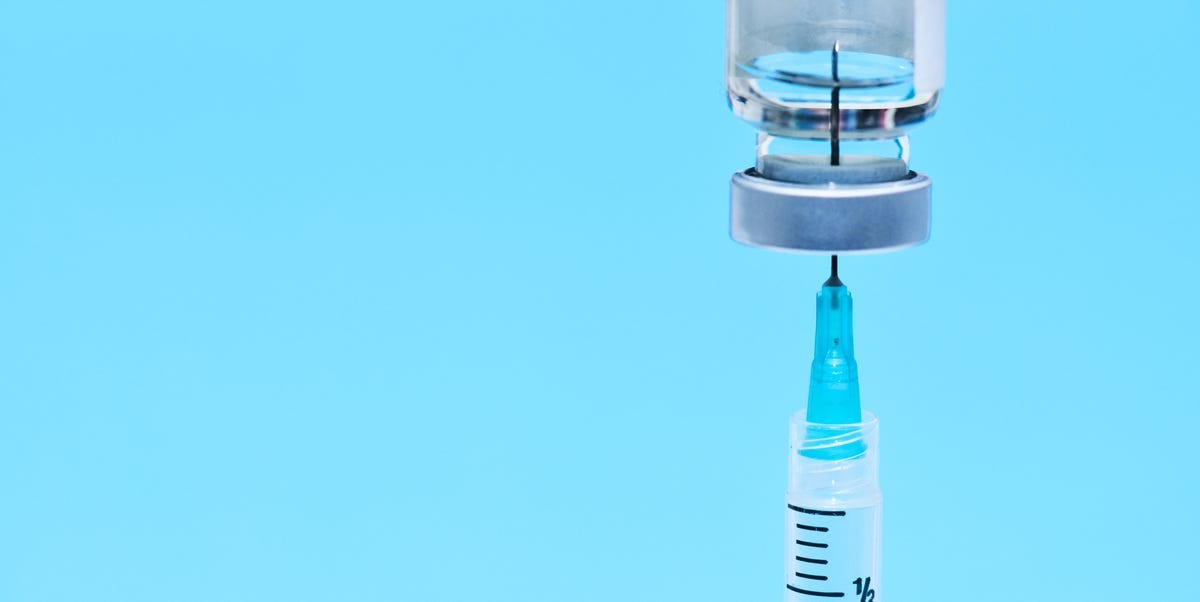
Currently, the Shingrix vaccine is recommended for adults 50 and older. It’s administered in two doses, 2–6 months apart. Individuals 19 and up with weakened immune systems are also eligible. While further research is needed to confirm these findings, the existing data suggest a compelling reason to consider vaccination beyond preventing shingles alone.
If the shingles vaccine proves effective in preventing or delaying dementia, it would represent a major breakthrough in clinical medicine and dementia research.
The potential for a relatively simple intervention—a widely available vaccine—to mitigate dementia risk is significant. More studies are underway to validate these findings, but for now, the emerging evidence offers a glimmer of hope in the fight against this devastating disease.