
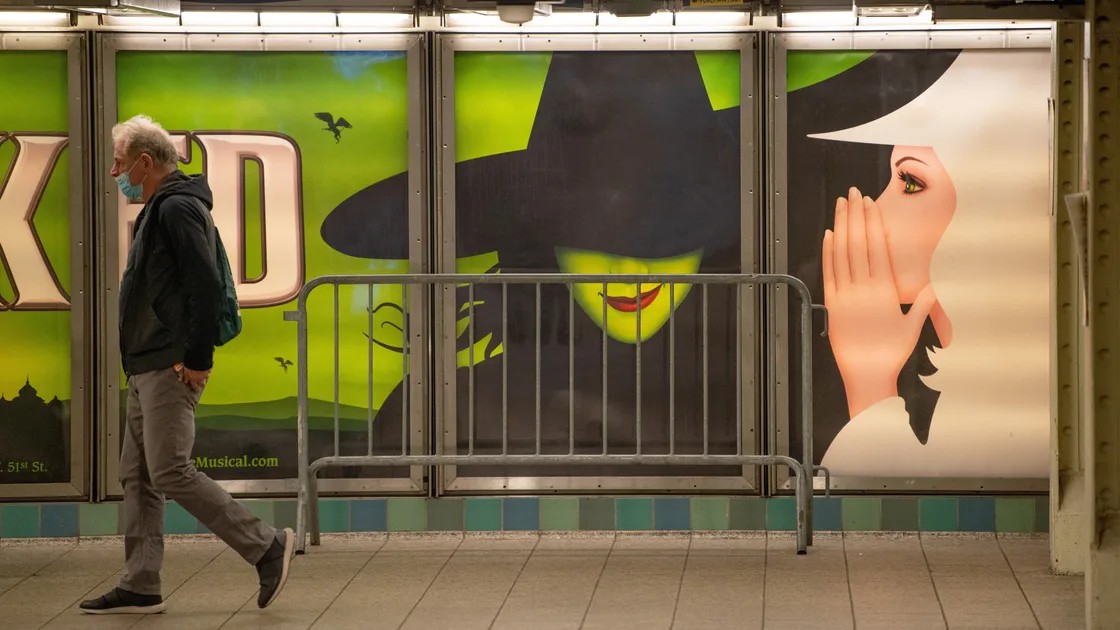
Musicals are a cultural cornerstone for many, with fans ranging from celebrities like Selena Gomez and James Cameron to even former President Donald Trump. But for just as many, Broadway represents little more than an irritating racket. The reasons behind this aversion aren’t simply about taste; they run deeper, touching on personality traits, cultural trends, and even a growing sense of cynicism.
The Unrealistic Appeal
One of the biggest gripes? The spontaneous bursts of song and dance. As therapist Vernique Esther notes, the idea that characters would suddenly break into elaborate musical numbers feels absurd to some. This disconnect is especially strong for those who prefer direct communication or find the format childish. It’s not necessarily about disliking all suspension of disbelief; Esther points out that superhero narratives require just as much willingness to accept the impossible.
Overstimulation and Neurodiversity
For others, musicals are simply too much. The high energy, amplified sound, and sheer spectacle can be overwhelming. Interestingly, this is sometimes the opposite experience for neurodivergent individuals who find structure in the chaos. Still, the sensory overload is a common deterrent for many.
The “Theater Kid” Problem
Beyond the productions themselves, some people are turned off by the culture surrounding musical theater. As therapist Alaina O’Neill puts it, “Sometimes the culture can be a bit much.” The often-intense passion and insular communities can feel alienating, just like any niche interest that isn’t universally enjoyed.
Literal vs. Emotional Engagement
Musicals demand a certain level of emotional openness. For those who prefer straightforward storytelling, the constant shifts into song can feel disruptive. Matthew Michael Brown, a psychotherapist, explains that musicals offer unique access to characters’ inner worlds via music, but this isn’t for everyone. Some prefer narratives that stay grounded in dialogue and action.
A Jaded Audience
The rise of commercial musicals based on familiar IPs (like “Mean Girls” or “& Juliet”) has arguably diluted the art form, as veteran critic Kurt Gänzl suggests. But Esther believes something broader is at play: widespread cynicism. In a world where youthful audiences dismiss anything unabashedly joyful as “cringe,” the exuberance of musicals can feel futile.
The devaluation of musical arts reflects a broader cultural shift towards nihilism and contrarianism. In harsh times, joy feels like a waste of time.
Ultimately, disliking musicals isn’t a sign of bad taste; it’s a reflection of individual preferences, personality traits, and the ever-evolving cultural landscape. The format isn’t for everyone—and that’s okay.