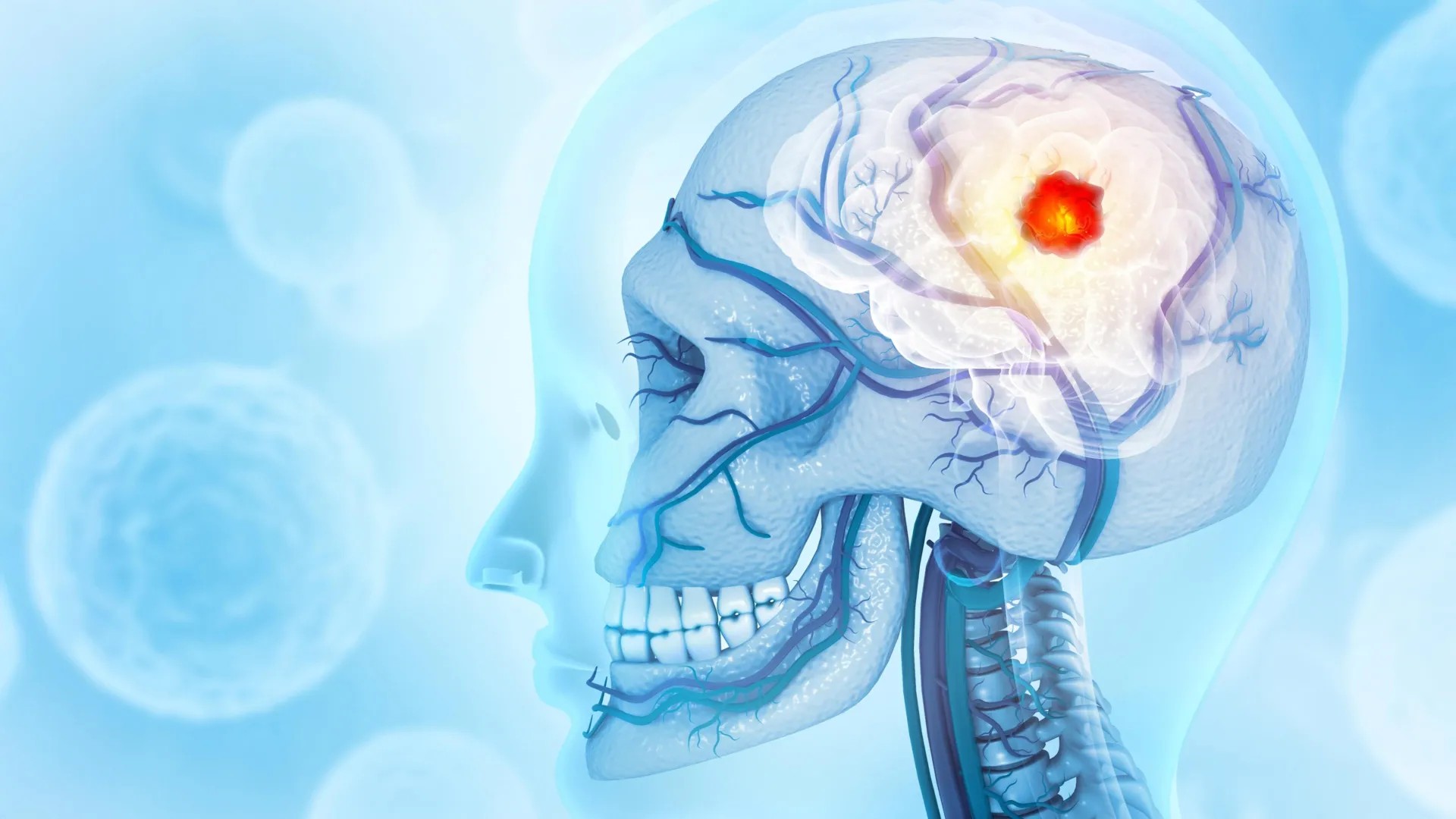
Glioblastoma, one of the most aggressive and deadly forms of brain cancer, isn’t just a localized disease confined to the brain. New research reveals a shocking connection: the cancer actively erodes the skull bone, creating pathways that alter the body’s immune response and accelerate tumor growth. This discovery fundamentally changes how scientists understand glioblastoma, suggesting current treatments may be missing a crucial systemic component.
The Skull as a Pathway for Cancer Progression
For years, glioblastoma has been treated as a purely brain-based issue. However, recent findings demonstrate that these tumors interact with the skull’s marrow – the spongy tissue inside the bone that produces blood cells – via microscopic channels. The cancer doesn’t just grow in the brain; it actively degrades the surrounding bone to expand its influence. Advanced imaging and single-cell RNA sequencing in mice and human patients confirm that glioblastoma triggers bone loss specifically along the skull’s sutures (where bones fuse). This erosion widens the channels connecting skull marrow and brain, allowing molecular signals and immune cells to flow between them.
Immune System Hijacking
The key revelation is how glioblastoma manipulates the skull marrow’s immune environment. Researchers found that the cancer shifts the balance of immune cells, dramatically increasing levels of pro-inflammatory neutrophils while suppressing antibody-producing B cells. This influx of inflammatory cells fuels tumor aggression, making it harder to treat. The skull marrow becomes a breeding ground for the very cells that accelerate cancer progression, while the femur marrow reacts differently, suppressing immune cell production instead. This systemic response suggests glioblastoma is not merely a local disease, but one that rewrites the body’s immune rules.
Treatment Implications: A Double-Edged Sword
The study explored whether anti-osteoporosis drugs could halt skull erosion. While both FDA-approved medications tested did prevent bone loss, one of them (zoledronic acid) surprisingly accelerated tumor growth in some cases. Both drugs also interfered with the effectiveness of immunotherapy, specifically anti-PD-L1, which boosts tumor-fighting T cells. This highlights a critical challenge: blocking bone erosion doesn’t necessarily mean halting cancer progression, and may even make certain treatments less effective.
“The skull-to-brain channels allow an influx of pro-inflammatory cells from the skull marrow to the tumor, rendering the glioblastoma increasingly aggressive and, all too often, untreatable,” says study co-author E. Richard Stanley.
This research underscores the urgent need for therapies that restore the normal immune balance in the skull marrow, potentially by suppressing inflammatory cells while boosting T and B cell production. The next steps will be to refine treatment strategies that account for this systemic interaction, rather than treating glioblastoma as an isolated brain disease.