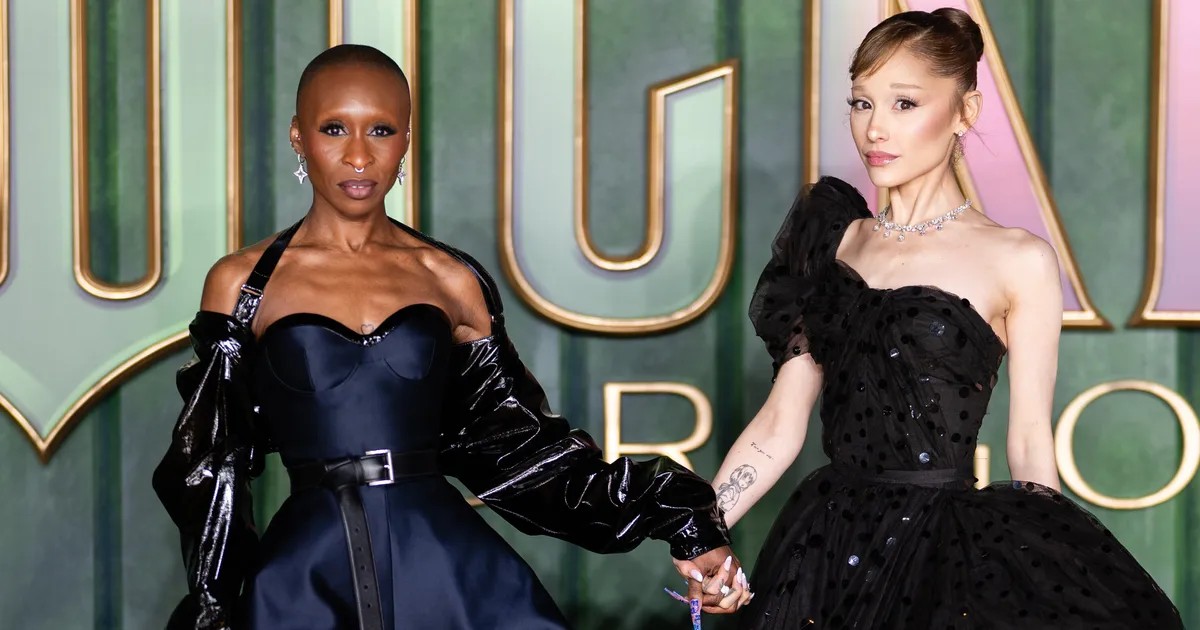
The resurgence of extreme thinness as a cultural ideal is not merely a superficial annoyance; it poses a real threat to public health, particularly for young people. Celebrities like Ariana Grande and Cynthia Erivo are prominently showcased in media promoting the upcoming film “Wicked,” and their bodies, along with others in the entertainment industry, are being glamorized as aspirational. This trend coincides with the widespread availability of weight-loss drugs like Ozempic and Wegovy, which are increasingly used not for medical necessity but to achieve rapid and extreme weight loss.
The Cycle of Toxic Messaging
For decades, women have been bombarded with the message that beauty equates to thinness, discipline means restriction, and bodies must be controlled to be acceptable. While the body acceptance movement has made strides in challenging these norms, the current cultural shift towards pharmaceutical shrinking undermines those gains. The promotion of extreme thinness as wellness sends a dangerous message: thinner is always better, regardless of the means.
The author recounts personal experience, recalling how her mother equated thinness with worth and how this message permeated her teenage years. This led to a 30-year struggle with compulsive binging and purging, highlighting the devastating impact of internalized shame and societal pressure.
Rising Eating Disorders and a Multi-Billion Dollar Industry
The new wave of thinness is not confined to red carpets; it permeates social media, classrooms, and everyday conversations. Eating disorders are on the rise, particularly among young girls, as treatment centers report dramatic increases in patients. This trend is fueled by a $450 billion beauty industry and a $163 billion weight loss market that profits from self-loathing and insecurity.
The author emphasizes that the issue is systemic rather than personal, rooted in economic forces that exploit body image anxieties. The cultural shift toward disordered eating and mental health crises is a direct result of a system that equates worth with weight.
A Battle Already Fought
Millions of women have fought to unlearn toxic beauty standards and embrace body acceptance. The resurgence of extreme thinness feels like a regression, forcing those who once found peace with their bodies to relive past struggles. The author argues that the next generation deserves a culture that rejects weight loss as a moral victory, so young people do not need to harm themselves to be considered beautiful or valuable.
This latest cultural shift forces many to relive past struggles with eating disorders, shame, and isolation. We deserve a culture that refuses to treat weight loss as a moral victory.
The author concludes by urging society to prioritize health over unrealistic body ideals and protect vulnerable populations from the dangers of extreme thinness.
If you are struggling with an eating disorder, call or text 988 or chat 988lifeline.org for support.