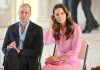
The Prince and Princess of Wales, Kate Middleton and Prince William, are deliberately keeping their eldest son, Prince George, 12, sheltered from intense public scrutiny. This approach reflects a calculated effort to manage his future role as heir to the British throne while shielding him from the pressures faced by William and Prince Harry during their childhoods.
Controlled Exposure
Royal commentator Katie Nicholl recently discussed the necessity of the public “falling in love” with Prince George before he assumes greater royal duties. The concern is that overexposure could create an adverse effect, but complete isolation would hinder his connection with the public. William intends to carefully pace George’s appearances to ensure a positive reception, avoiding the pitfalls of early celebrity culture.
Gradual Integration
Recent months have shown a slight shift in this strategy. Prince George attended the Festival of Remembrance in November alongside his mother, where they coordinated their attire in a respectful tribute. His attendance at the 80th anniversary of VE Day in May, engaging with WWII veterans, also signaled a deliberate introduction to his future responsibilities. According to royal author Robert Hardman, these appearances are part of a “slow, incremental move towards his destiny.”
Digital Boundaries
The royal couple is also navigating the challenge of modern childhoods. While currently restricting access to smartphones for Prince George and his siblings, William has suggested that George may receive a phone with limited access when he enters secondary school in 2026. This approach balances the need for normalcy with the unique demands of royal life.
The deliberate pacing of Prince George’s public exposure underscores the royal family’s recognition that public perception is crucial for future stability. By carefully managing his integration into public life, they aim to cultivate a positive relationship between the young prince and the British people.